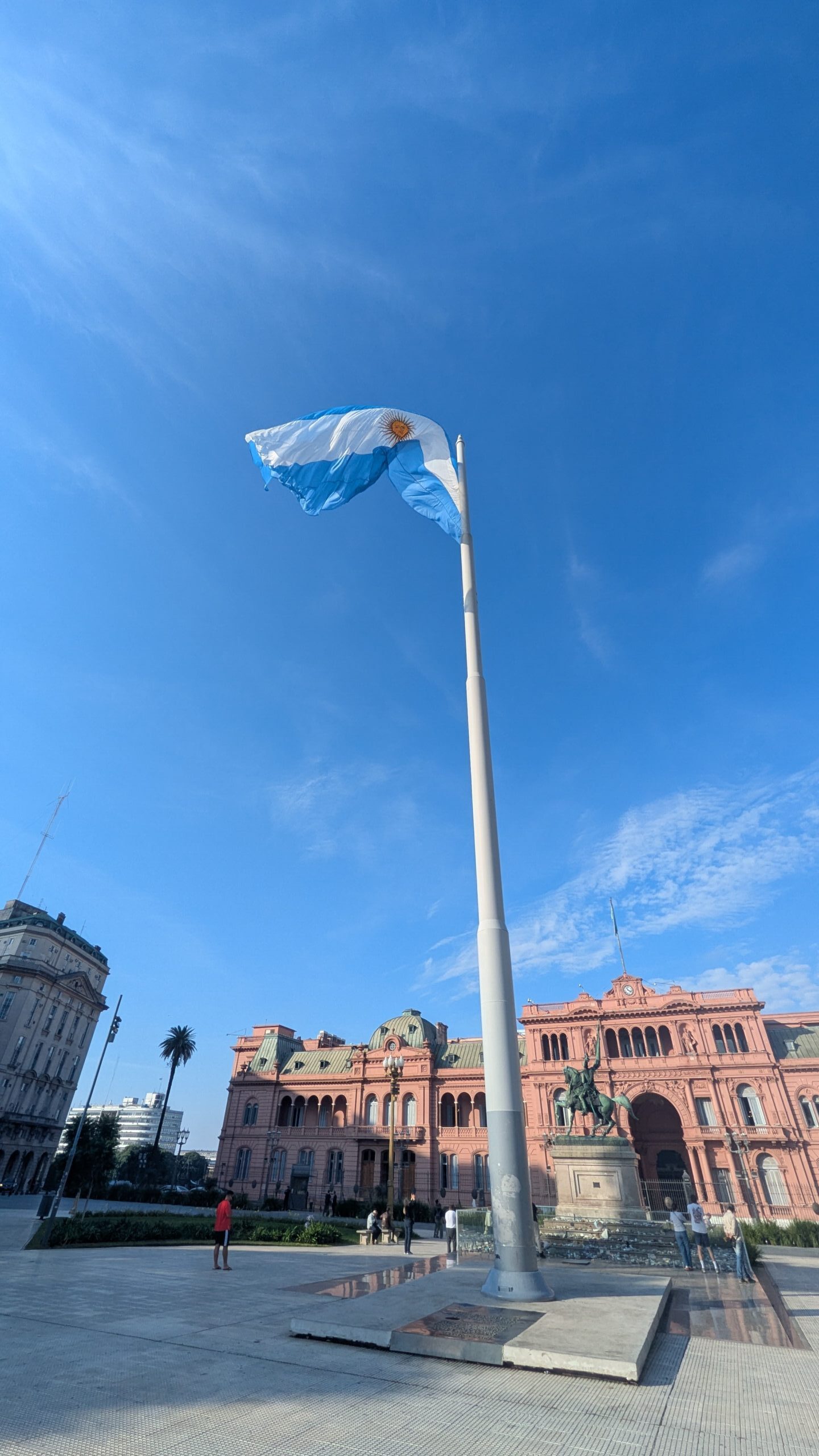
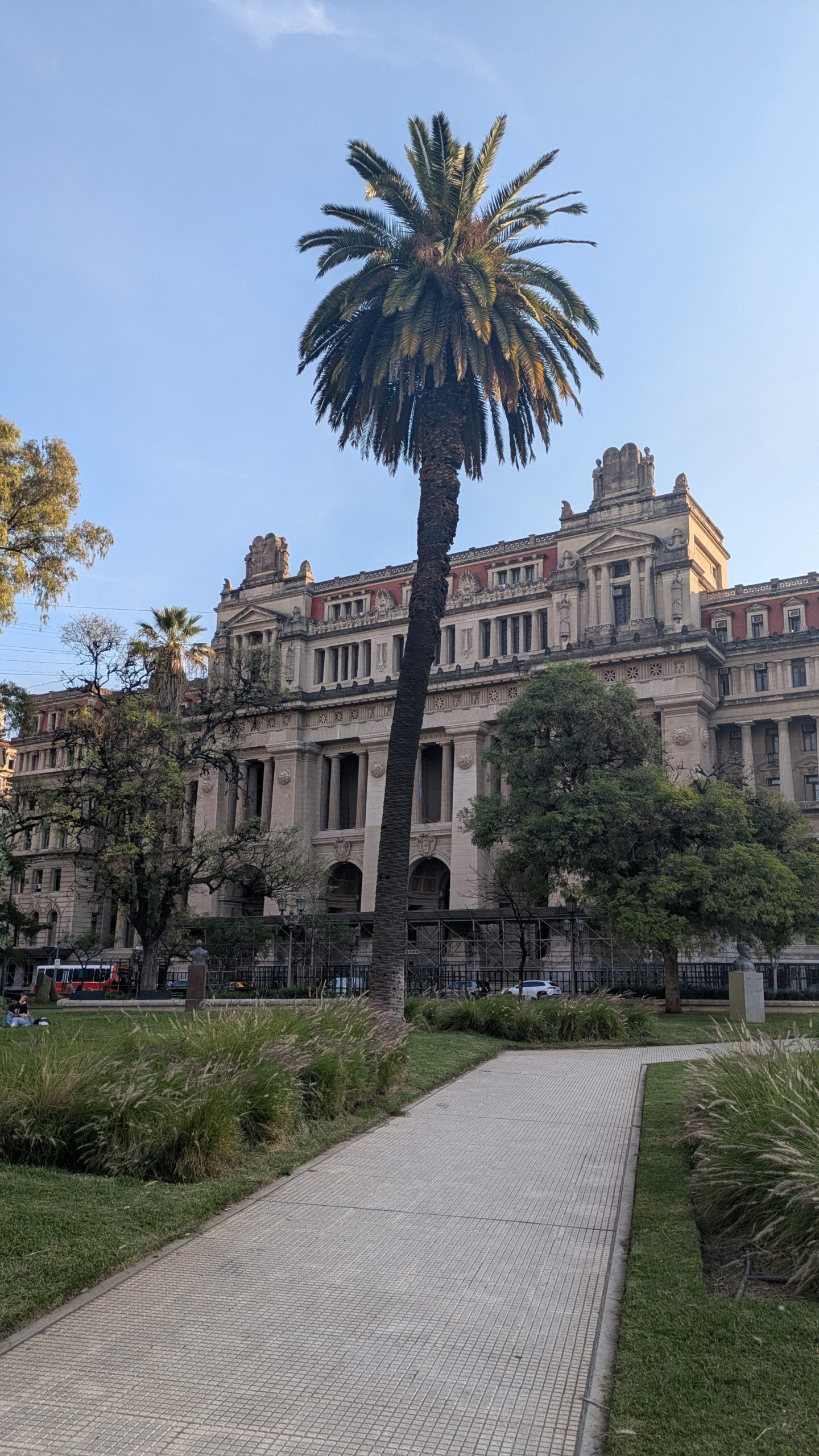
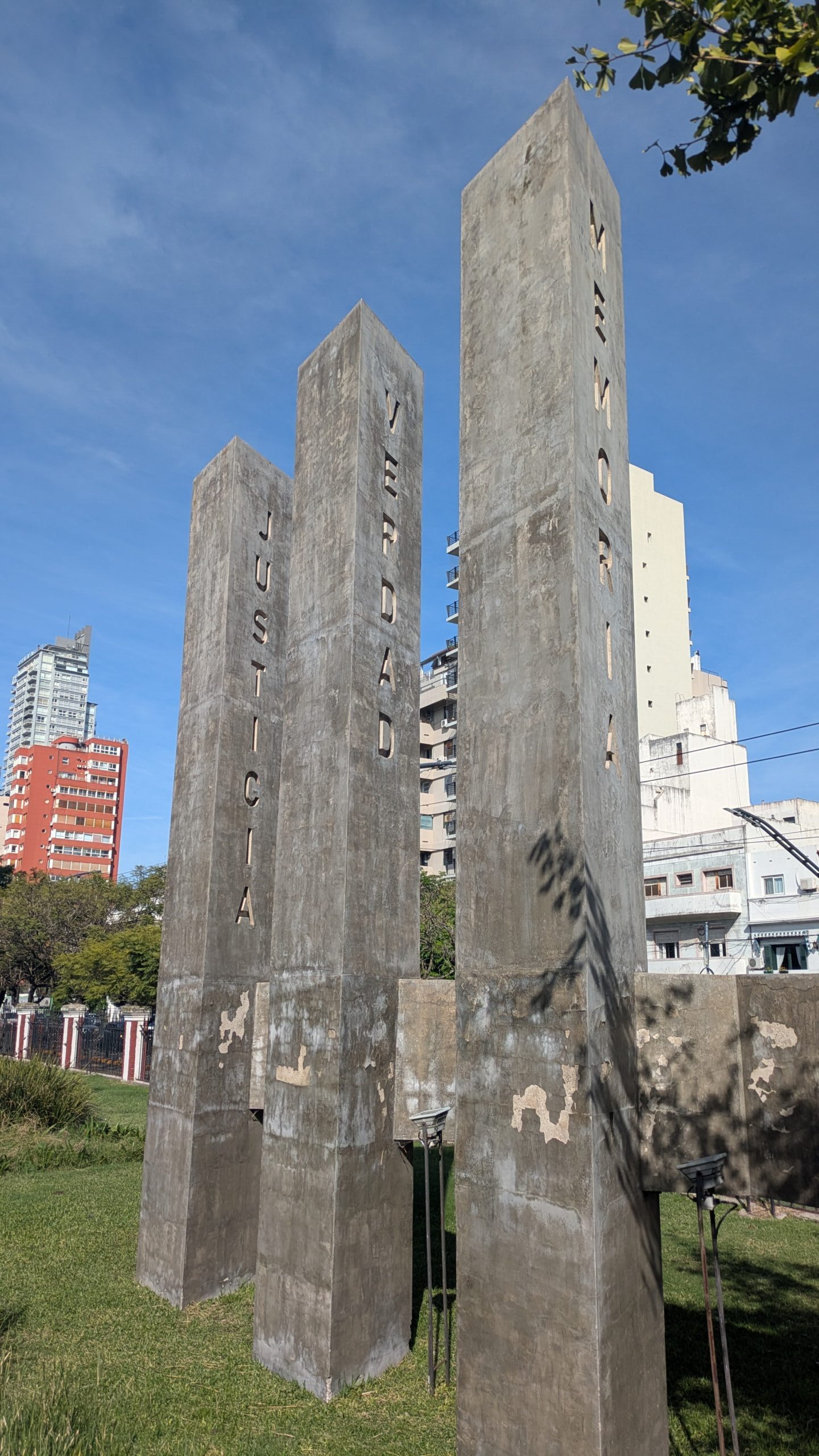
My exploration of Buenos Aires took me to remarkable institutions that define the city’s political and cultural landscape. The iconic Casa Rosada, officially known as Casa de Gobierno, captivated me with its distinctive pink color that reportedly comes from mixing white paint with cow’s blood to create weather-resistant paint in the 19th century. The imposing Palacio de Justicia, designed by French architect Norbert Maillart and opened in 1942, houses Argentina’s Supreme Court of Justice of the Argentine Nation and represents the nation’s judicial authority. I was deeply moved by the ESMA Museum and Site of Memory, a UNESCO World Heritage site that preserves the former Navy School of Mechanics where over 5,000 people were detained during Argentina’s military dictatorship from 1976-1983. Each location offered a different perspective on Argentina’s complex political history, from executive power to judicial halls to sobering reminders of the country’s darkest chapter.
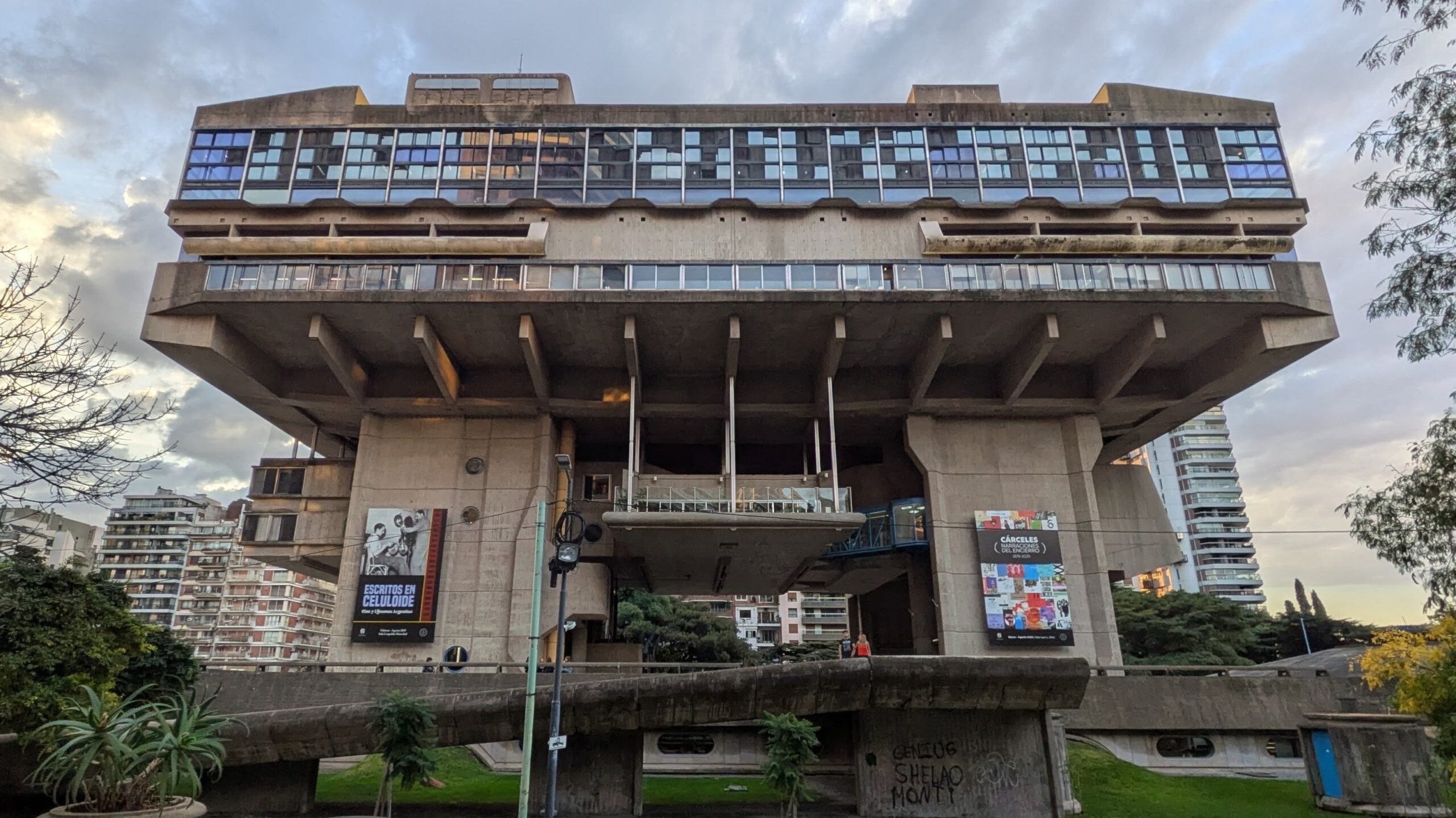
The striking Biblioteca Nacional Mariano Moreno proved to be an architectural masterpiece, this brutalist structure designed by Clorindo Testa, Francisco Bullrich, and Alicia Cazzaniga was completed in 1992 after three decades of construction. The National Library was founded in 1810 by independence hero Mariano Moreno during Argentina’s May Revolution and has been directed by literary giants including Jorge Luis Borges from 1955 to 1973. These institutions together painted a comprehensive portrait of Buenos Aires – a city where political power, judicial authority, historical memory, and intellectual tradition converge in remarkable architectural spaces that tell the story of a nation still grappling with its past while building its future.