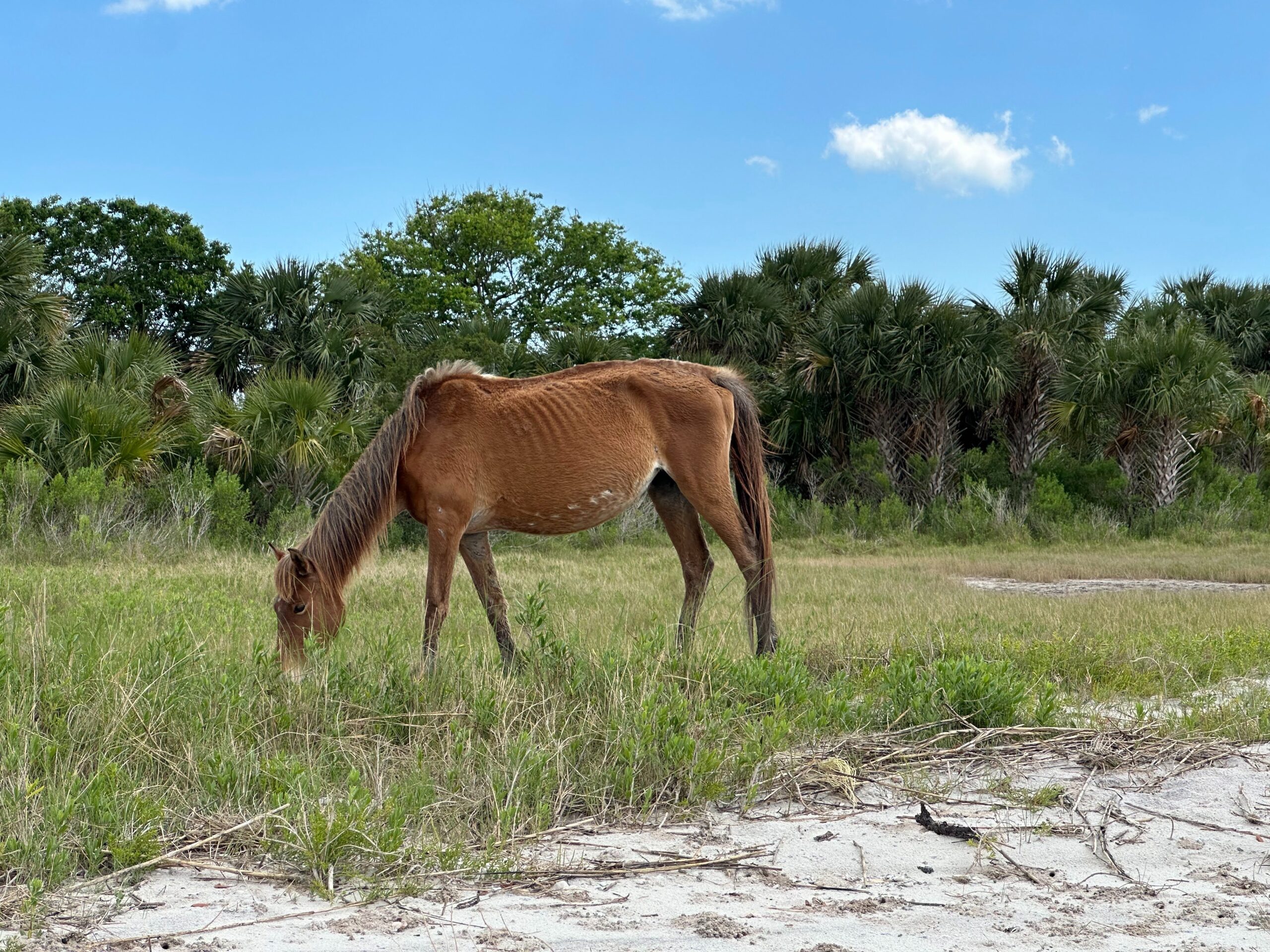
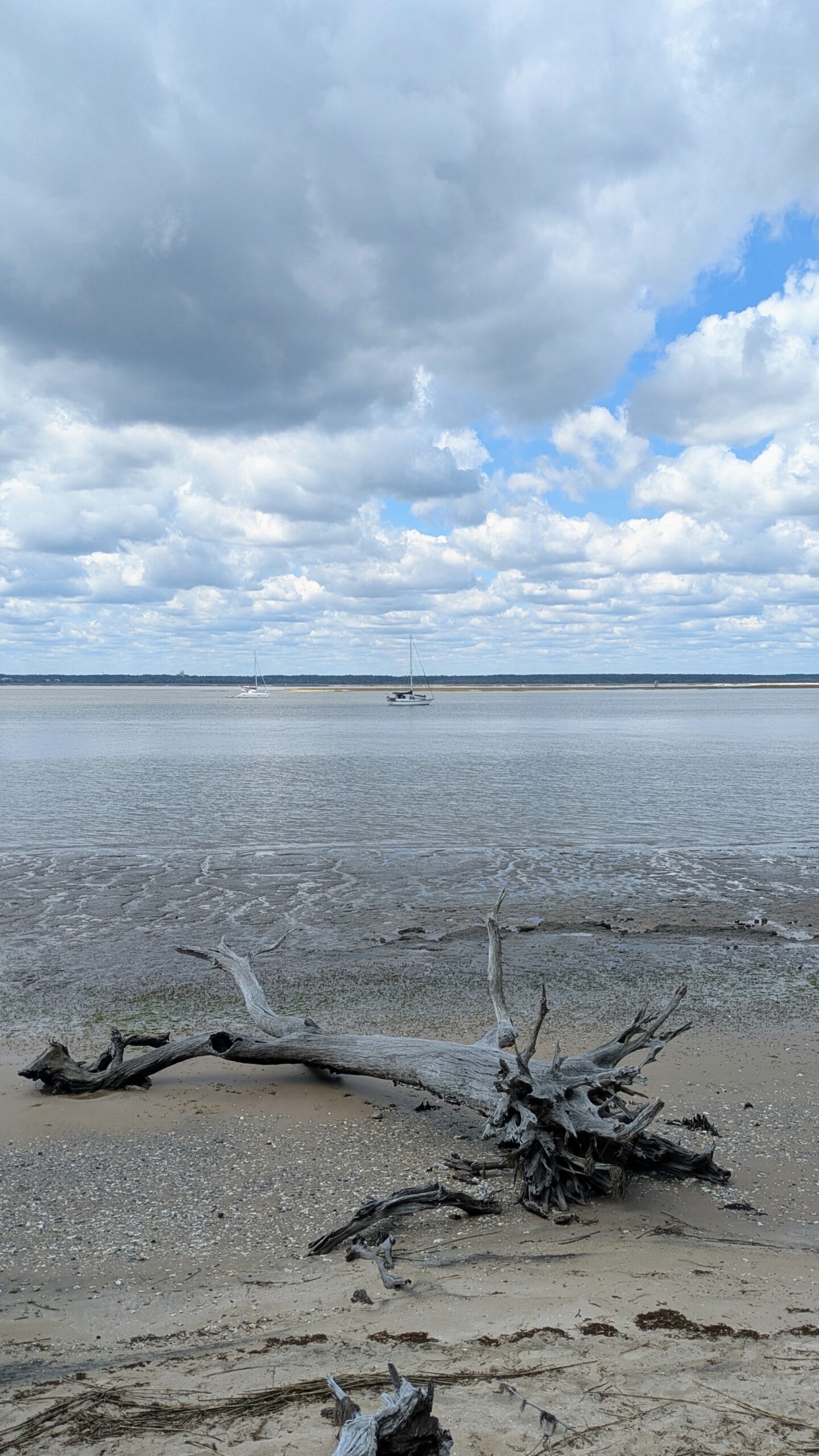
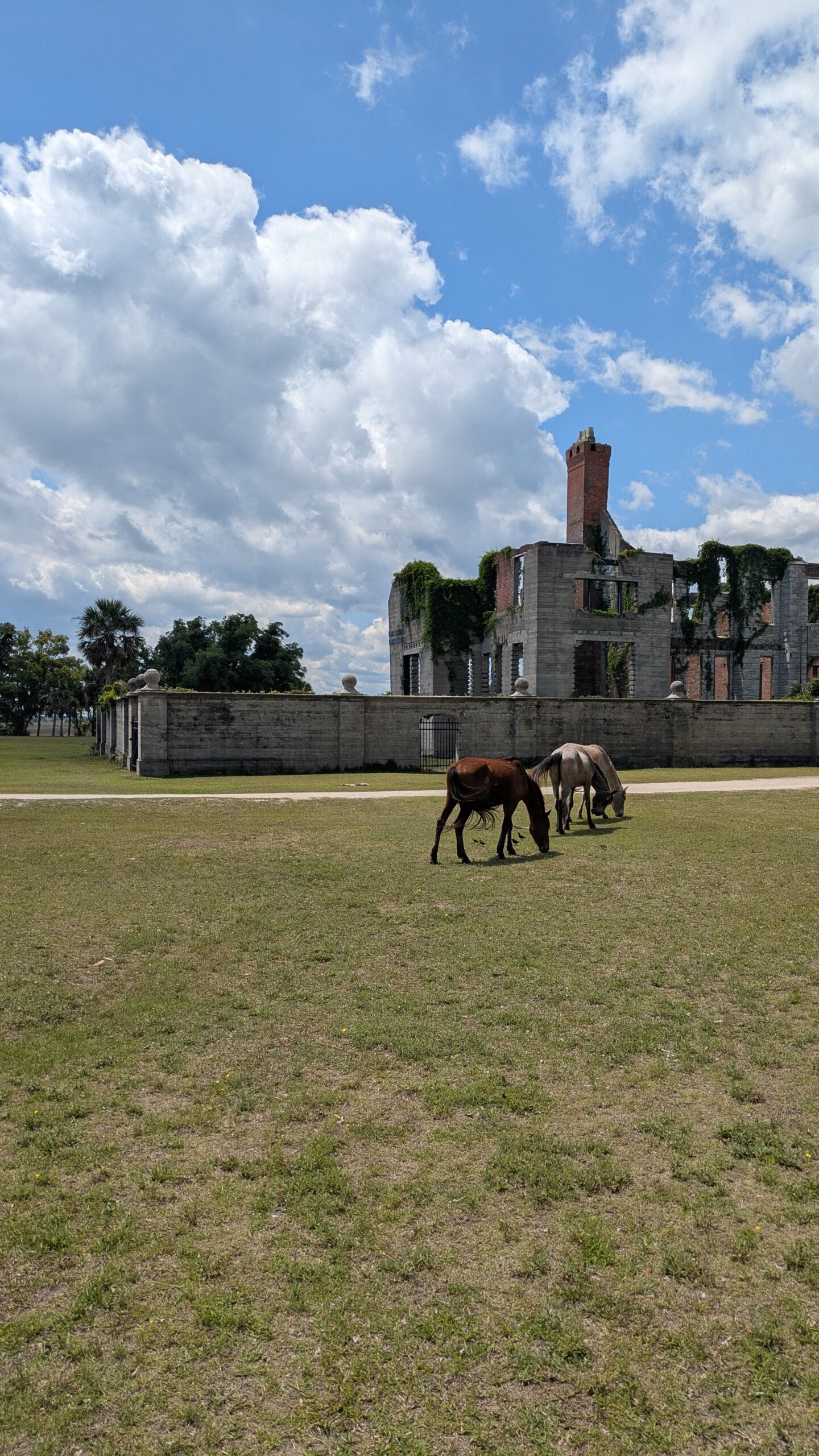

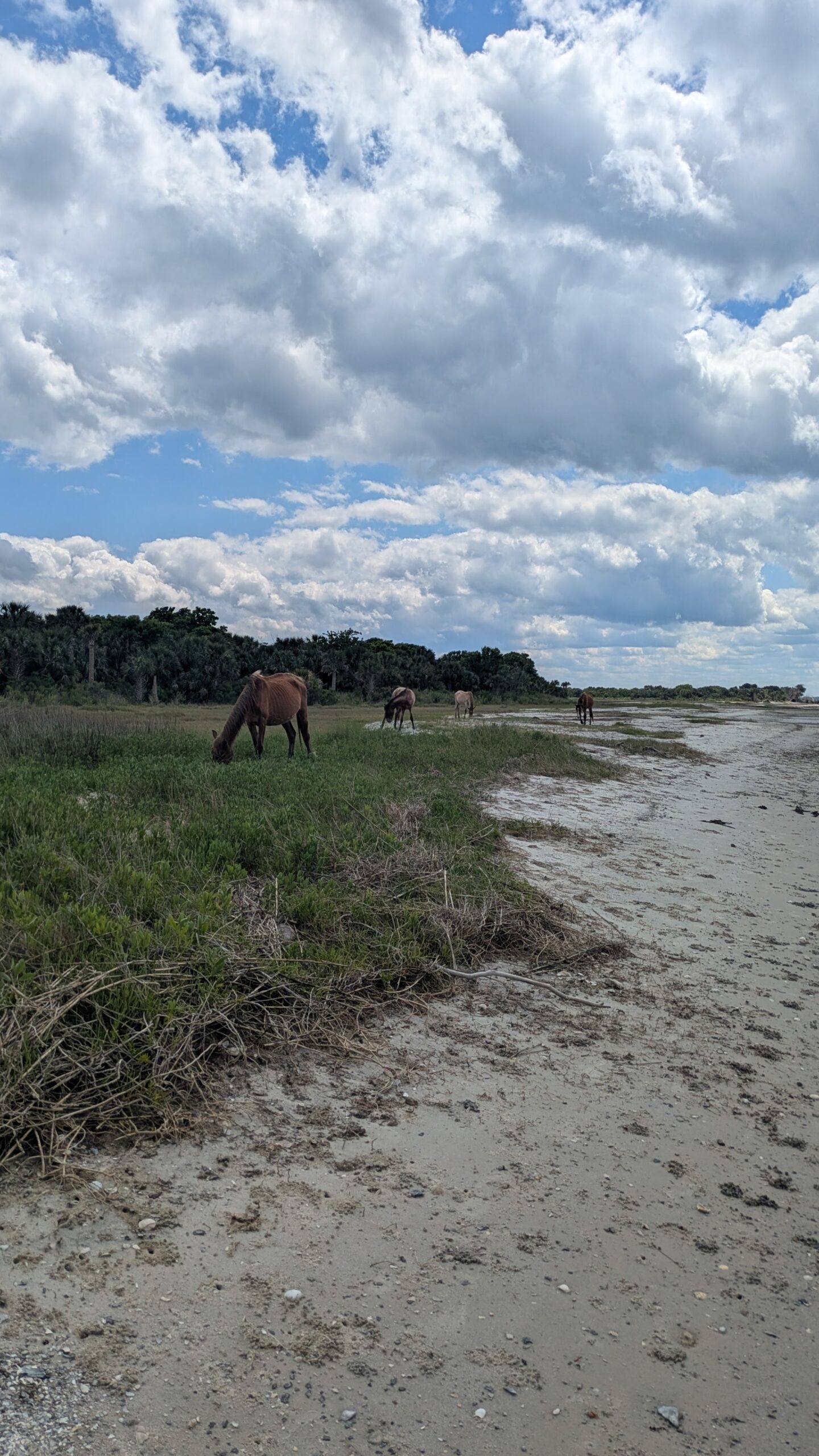
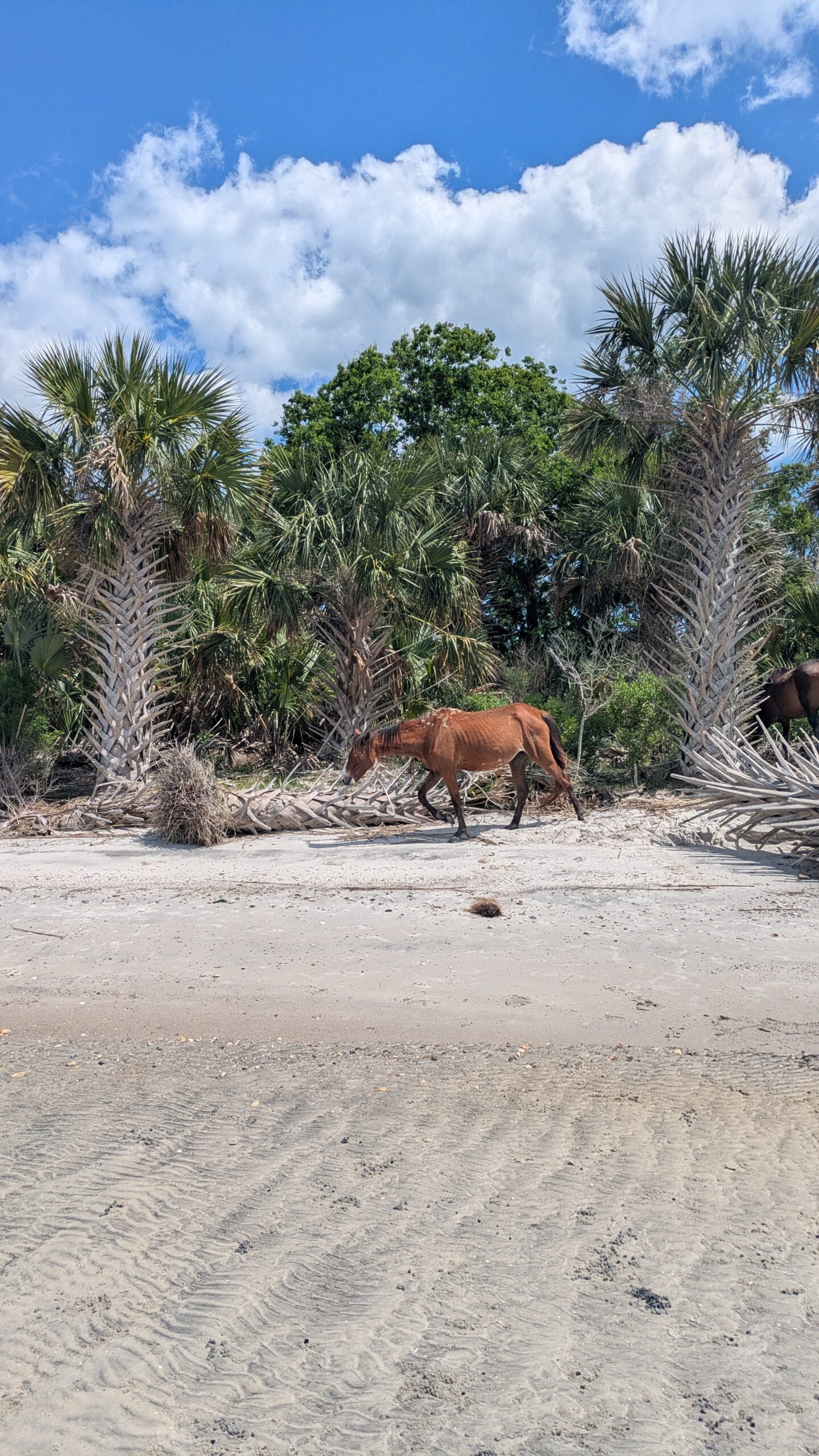
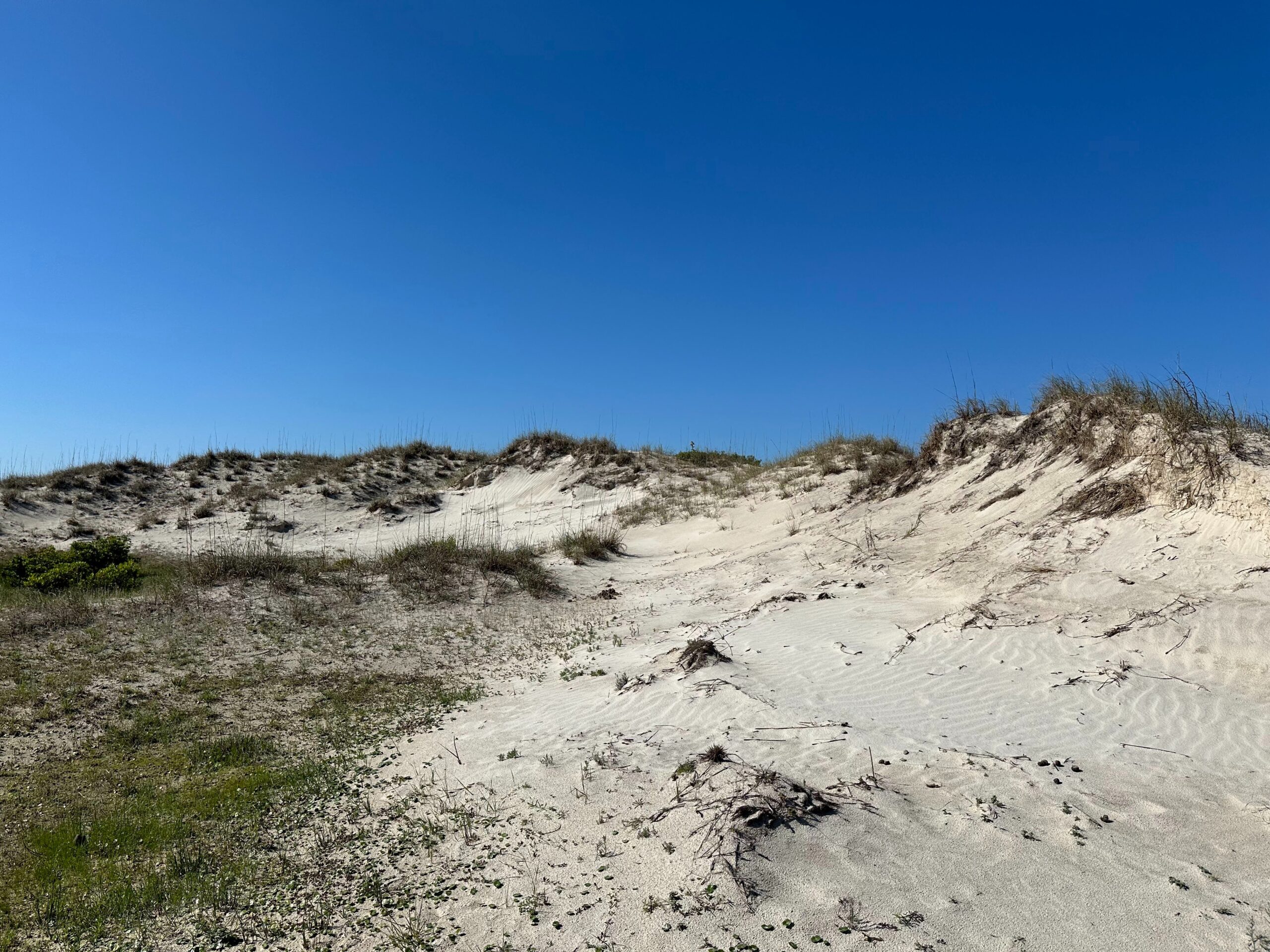
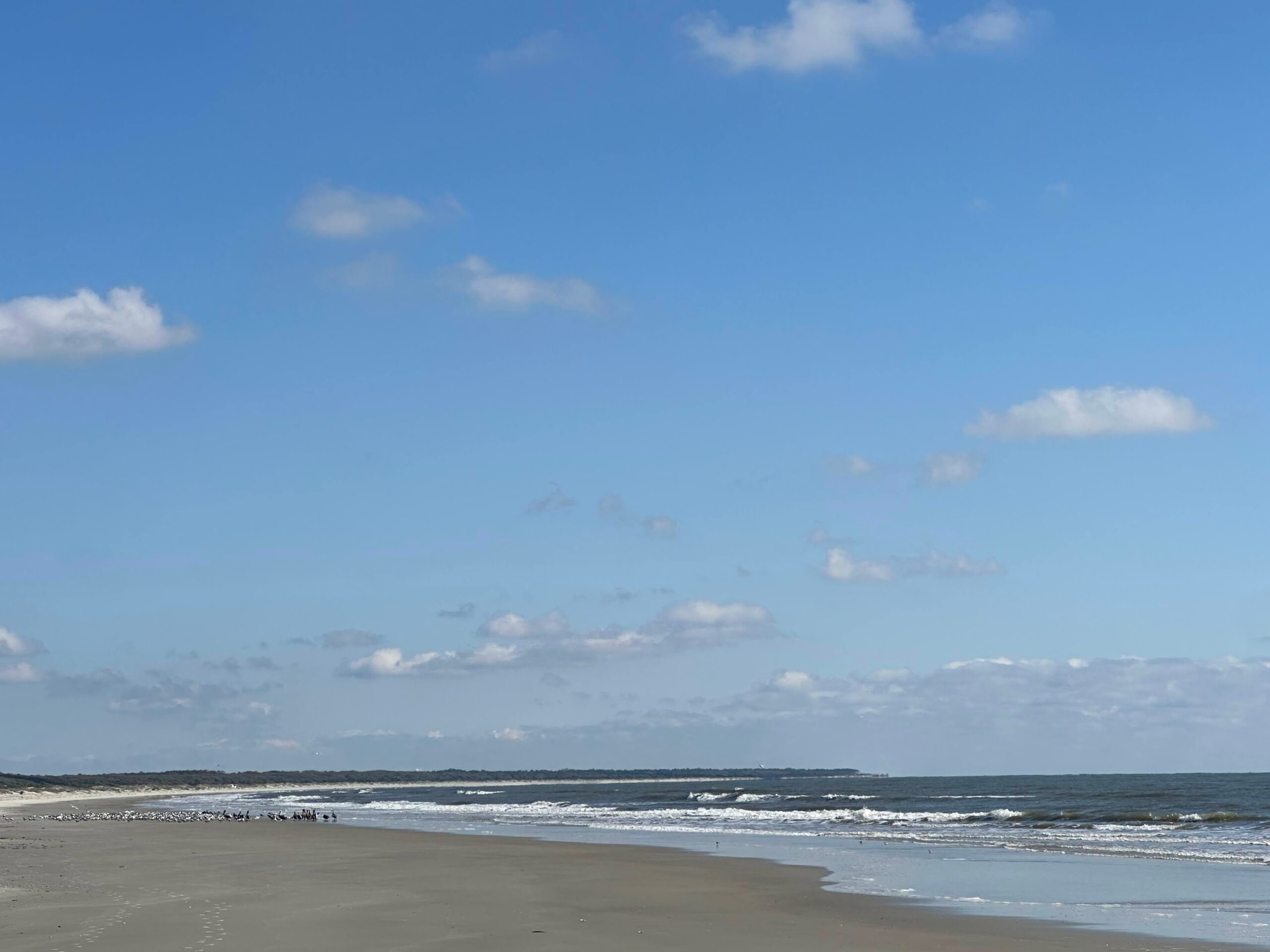
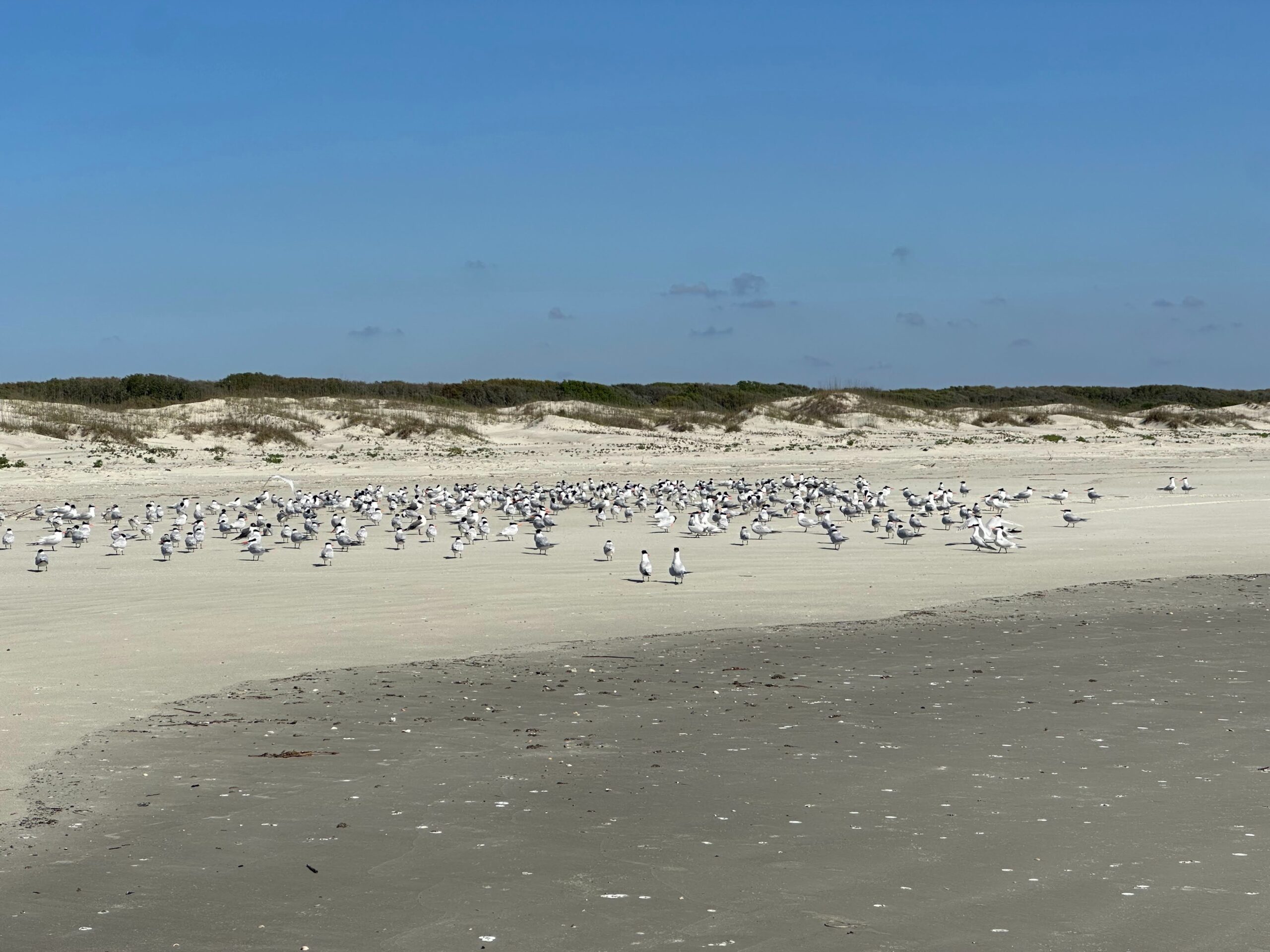
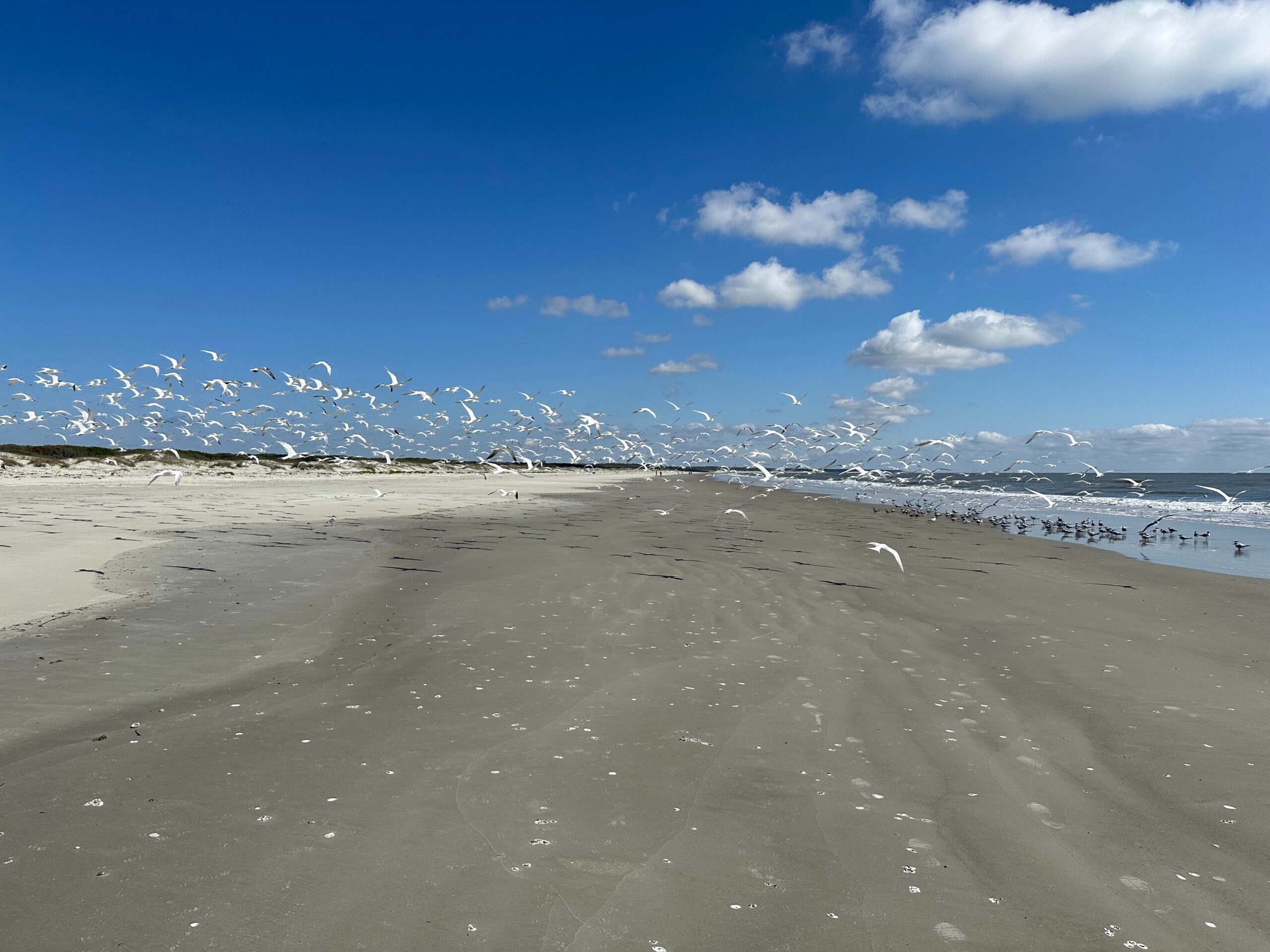
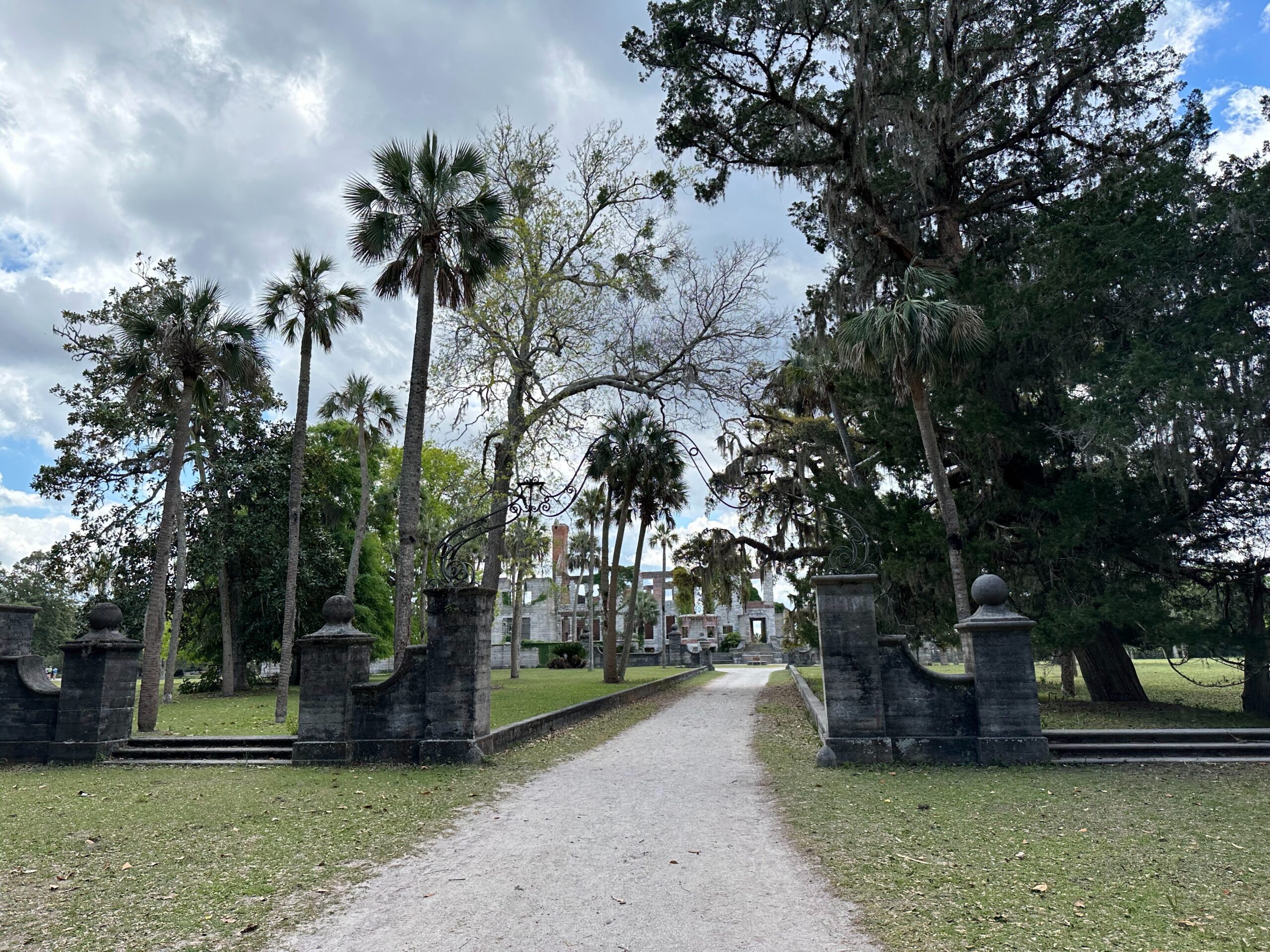
My visit to Cumberland Island National Seashore brought me to Georgia’s largest and southernmost barrier island, a pristine wilderness accessible only by ferry from St. Marys. Established as a national seashore in 1972, this 36,415-acre preserve protects 17.5 miles of undeveloped beaches, maritime forests, and salt marshes that whisper stories of Native Americans, Spanish missionaries, and Carnegie family industrialists. Walking through the island’s diverse ecosystems, I encountered wild horses roaming freely along the shore, remnants of the grand Dungeness mansion ruins, and the simple beauty of the First African Baptist Church built in 1893 by descendants of enslaved people. The island contains over 9,800 acres of Congressionally designated Wilderness, making it one of the most protected coastal environments on the Atlantic seaboard.
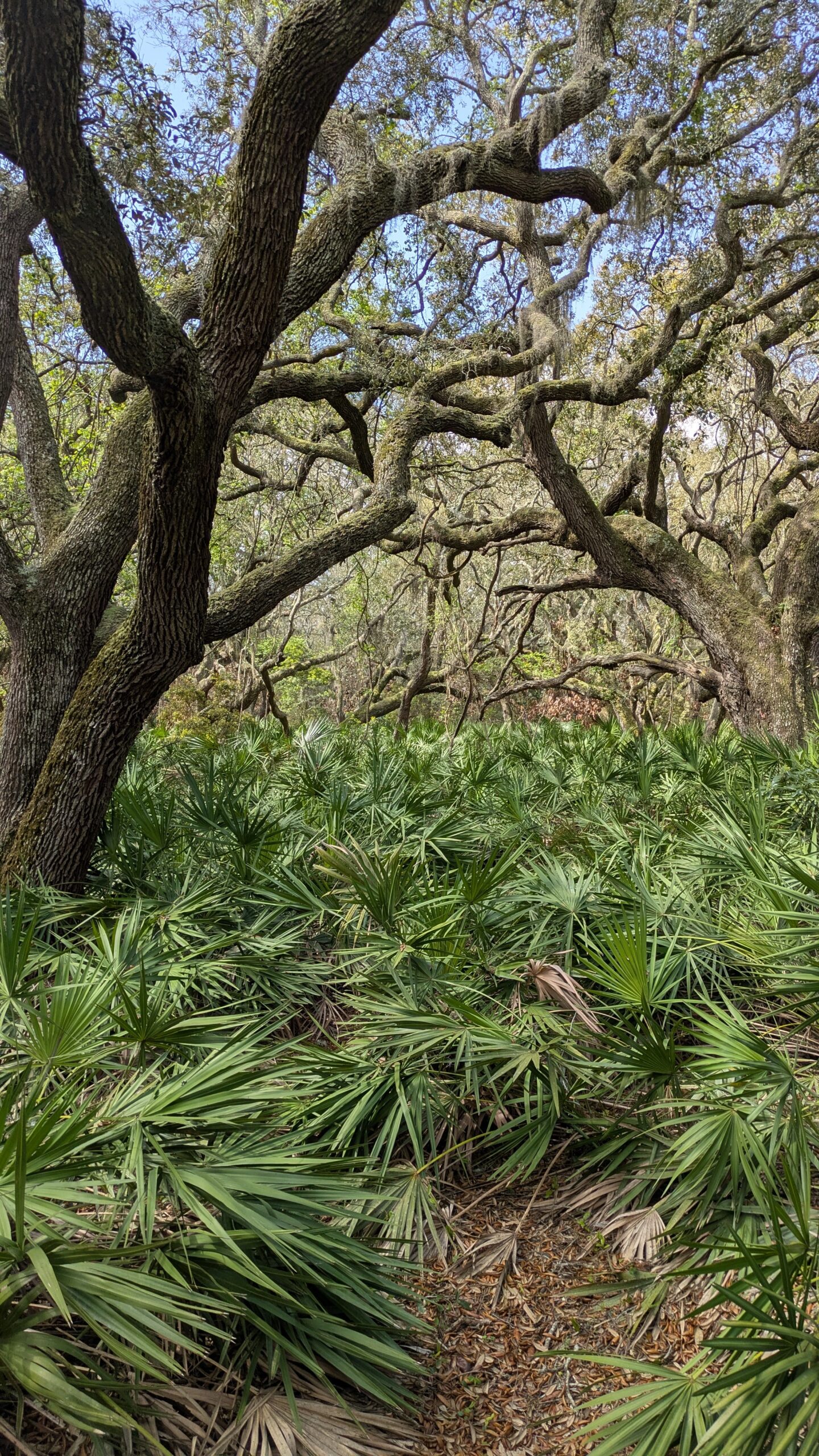
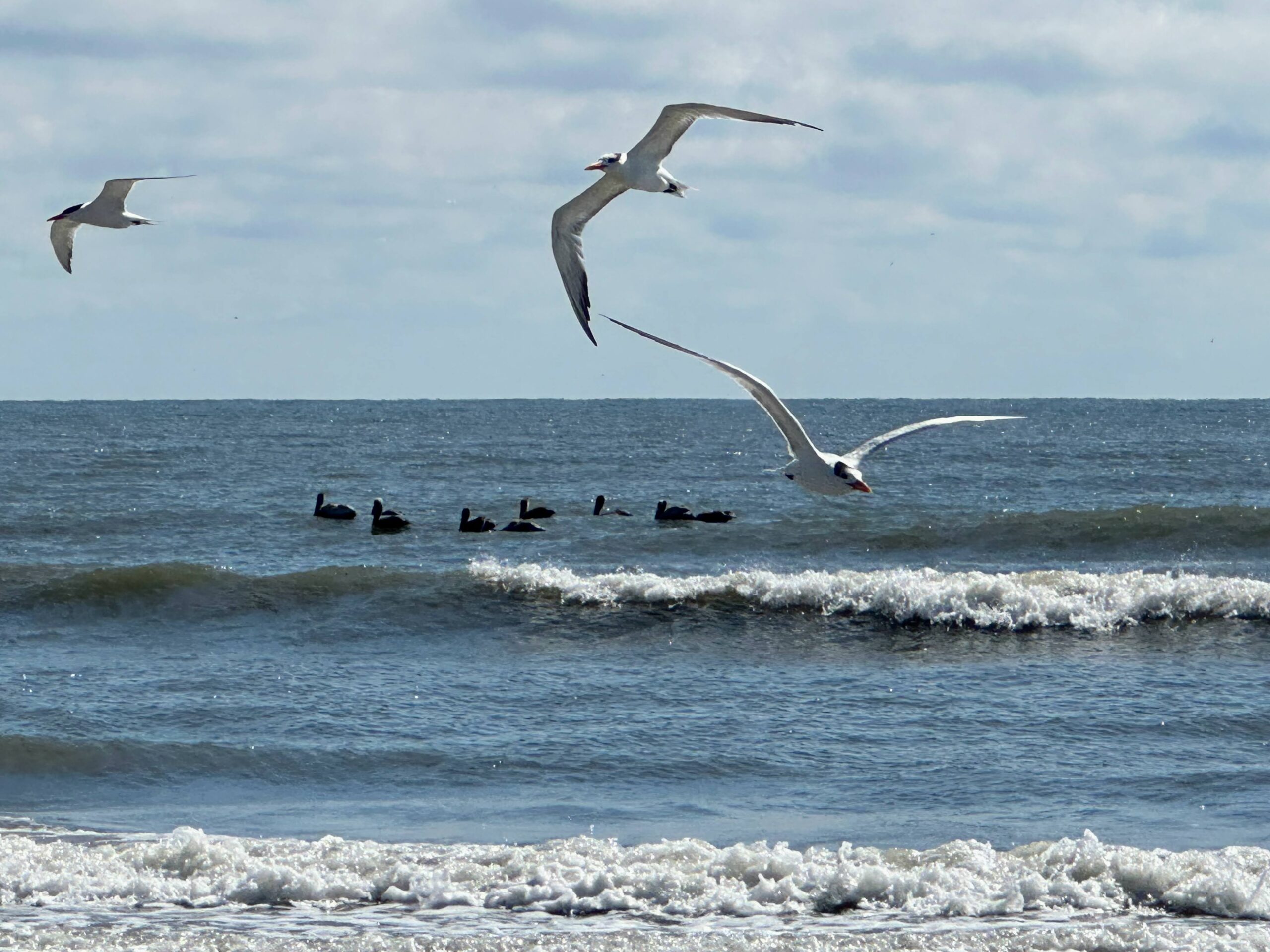
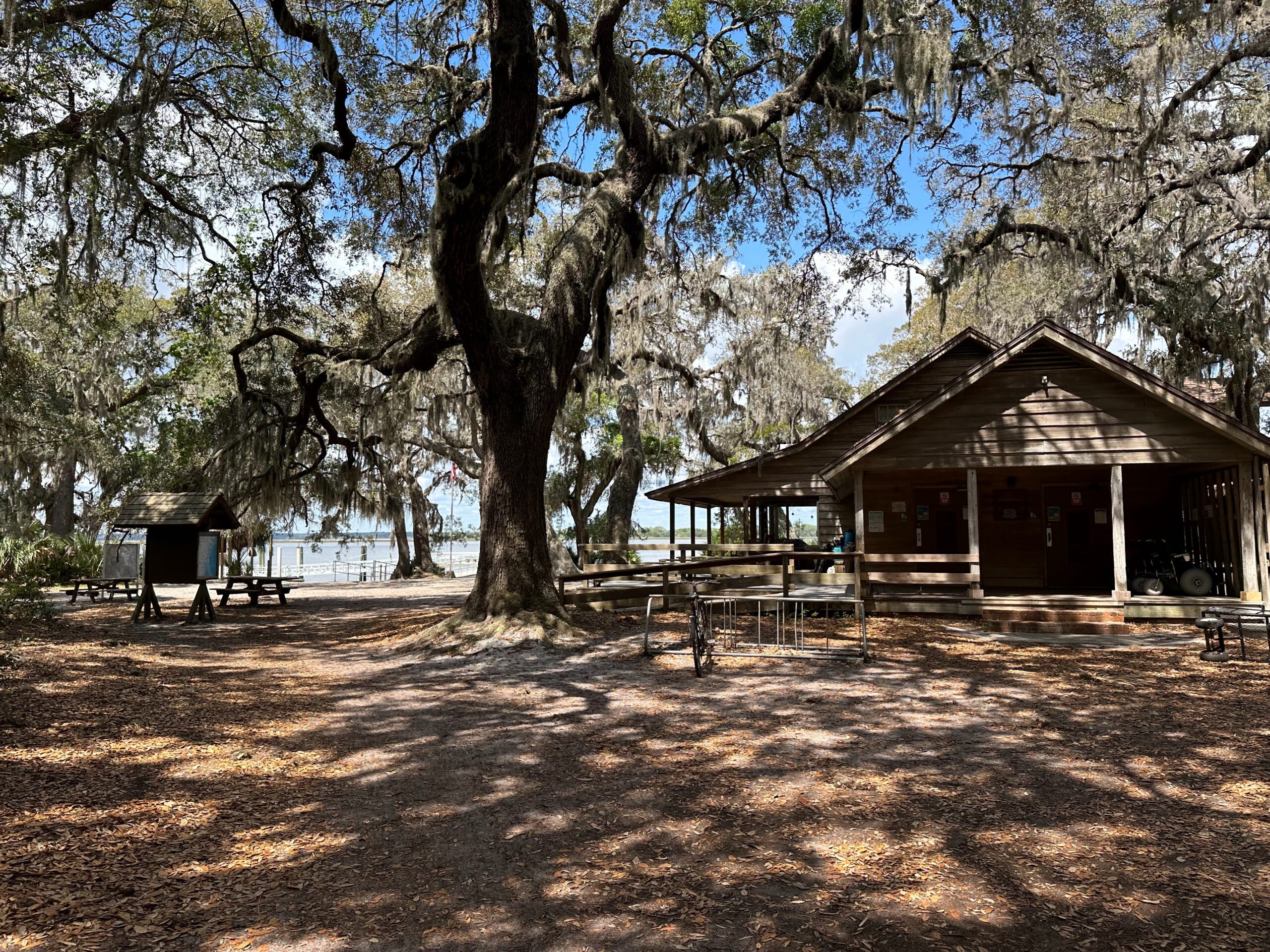
The experience of exploring Cumberland’s interior maritime forests dotted with freshwater ponds and saltwater coves revealed why this barrier island serves as such critical habitat for loggerhead sea turtles, migratory birds, and countless other species. Standing on the pristine beaches where development is forever prohibited, surrounded by live oaks draped in Spanish moss and the calls of herons and egrets, I understood how this remarkable island continues to preserve both natural beauty and human history in one of the Southeast’s most treasured landscapes.