Iguazú Falls
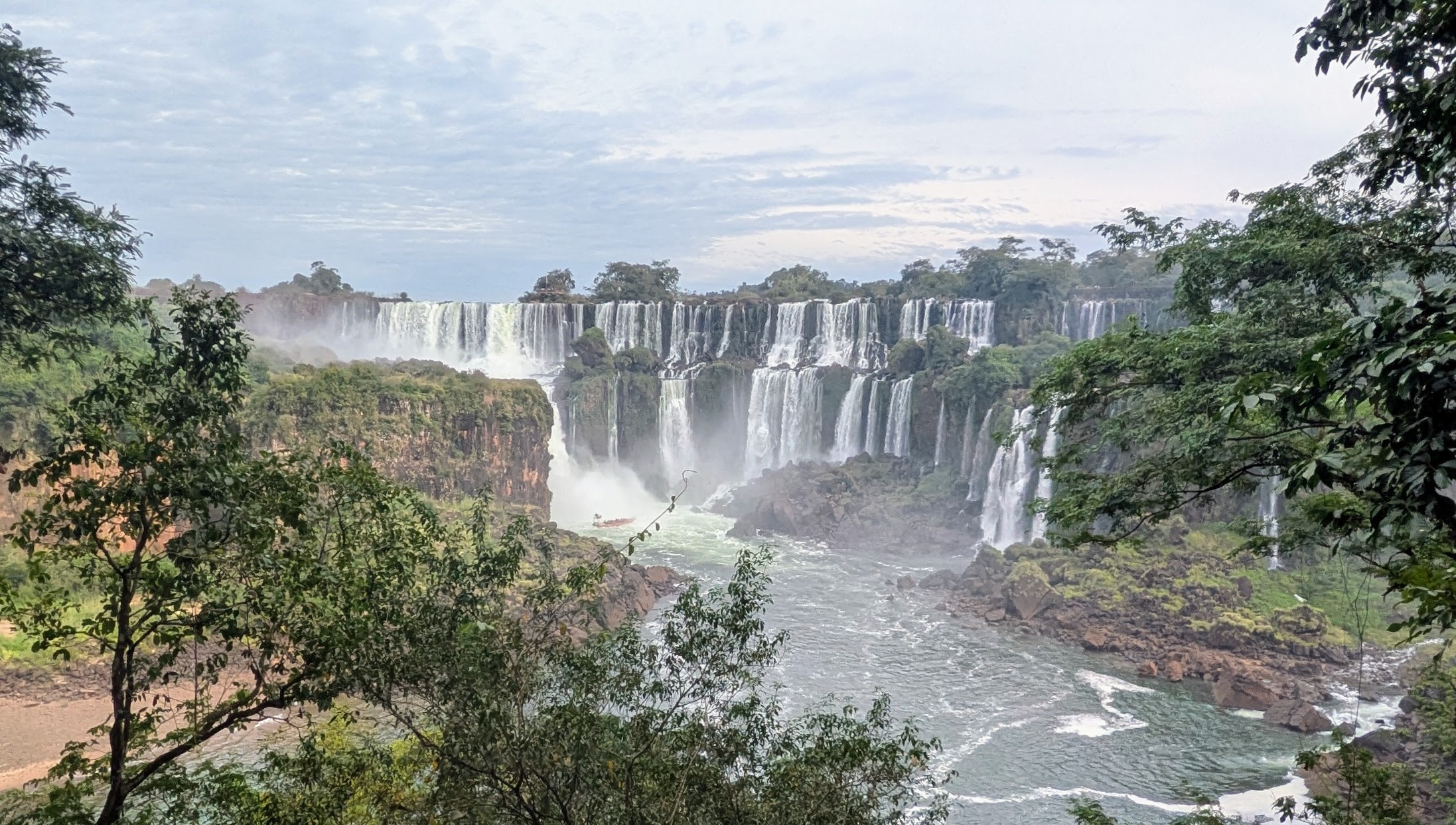
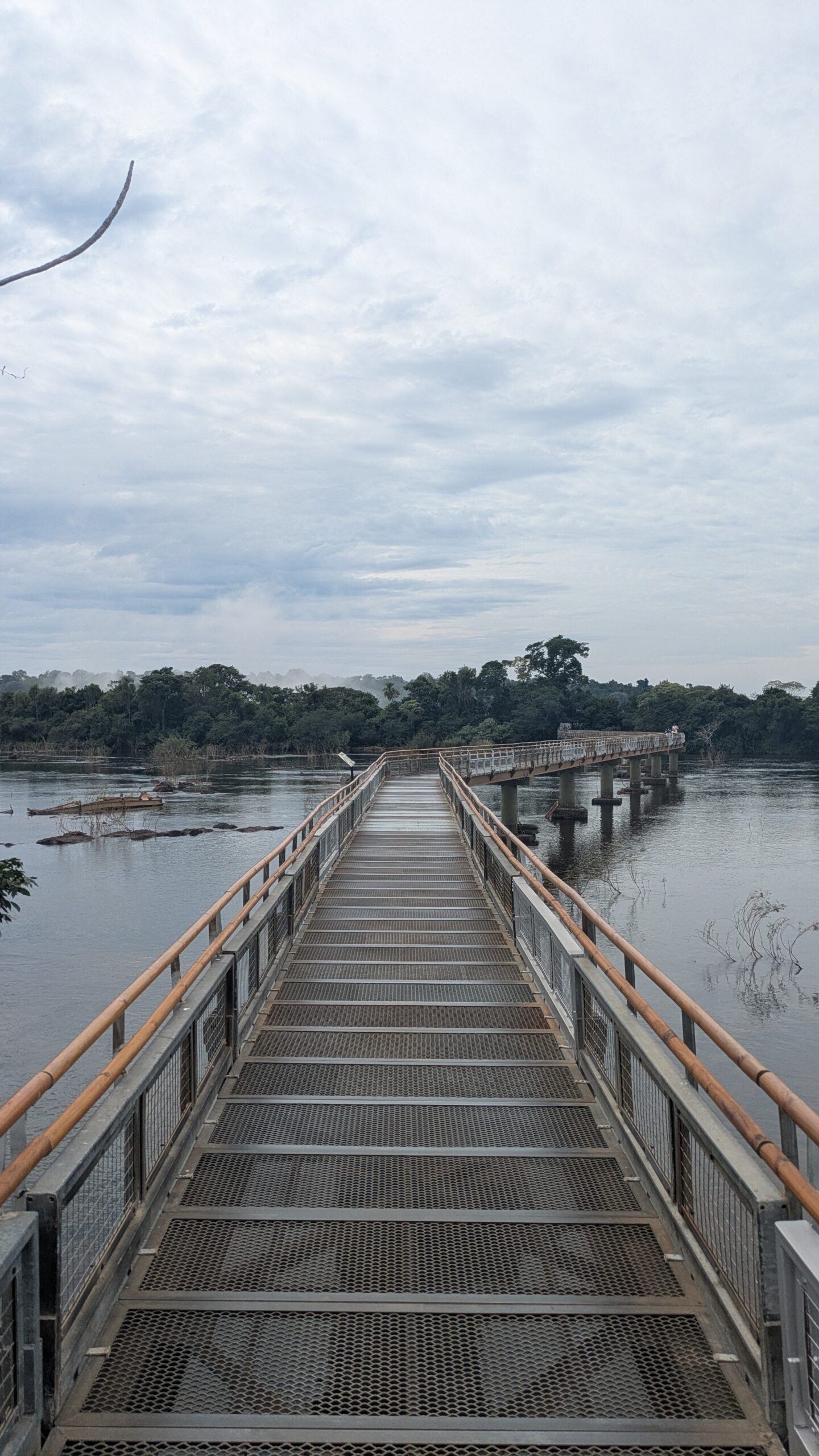
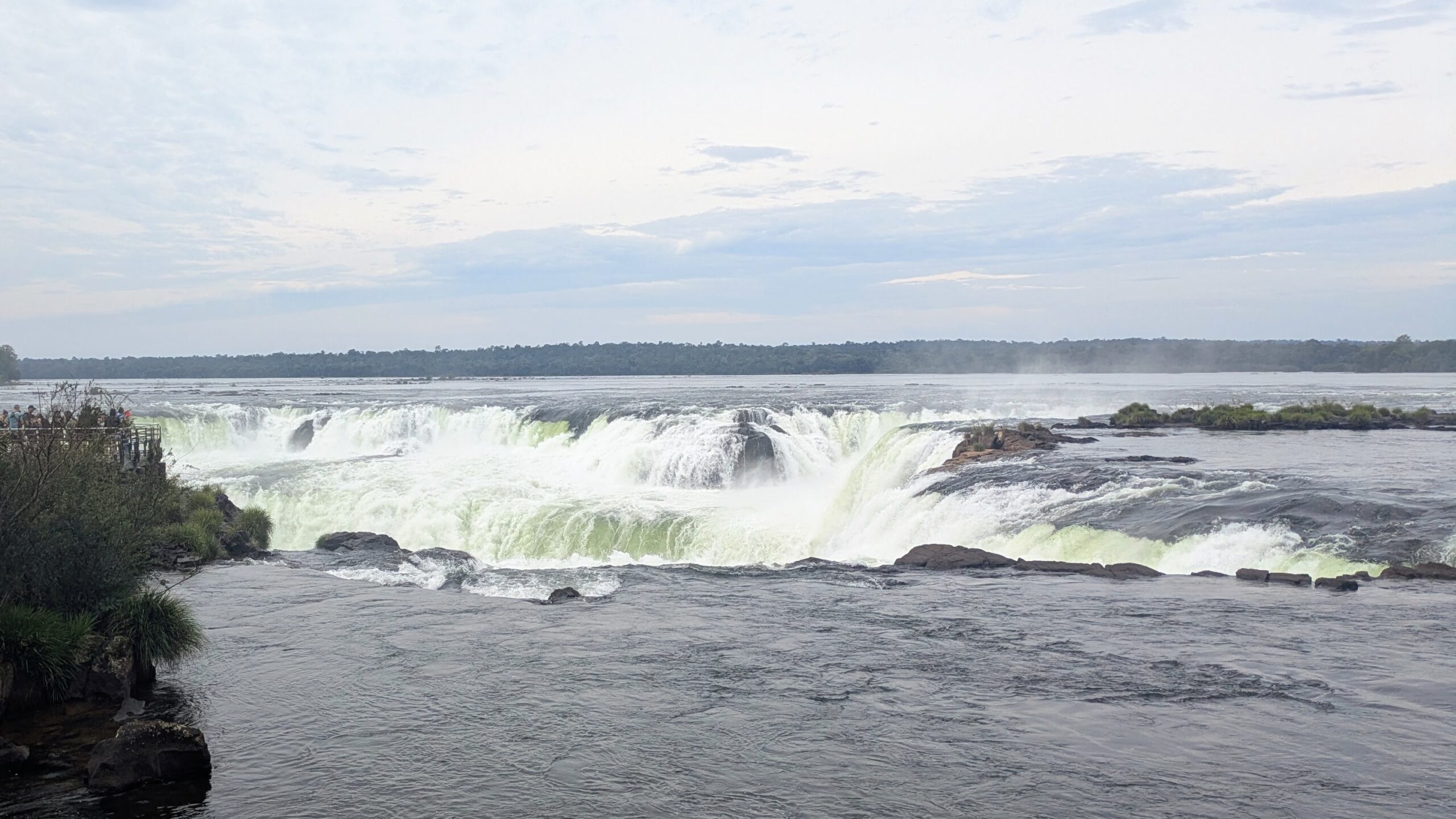
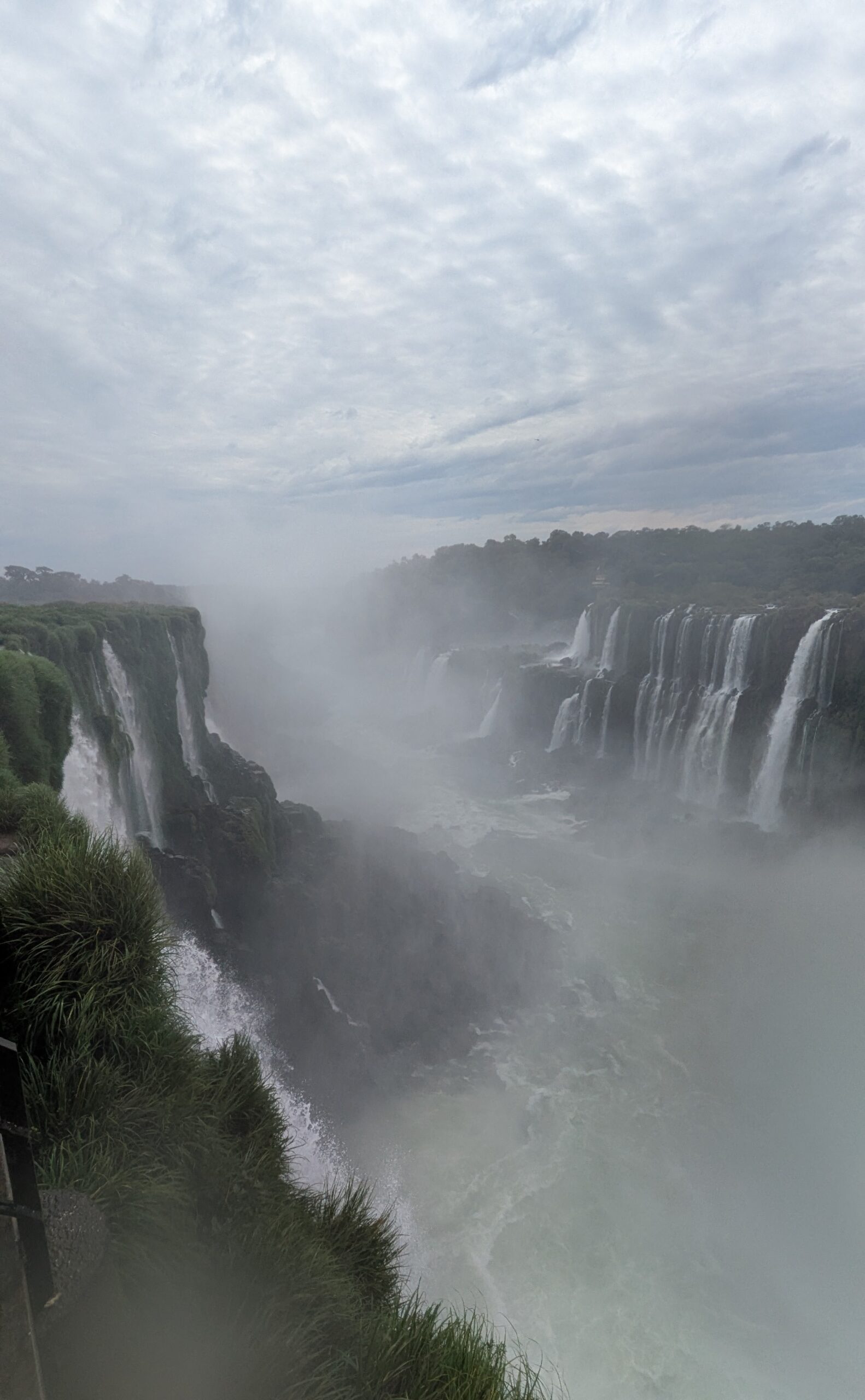
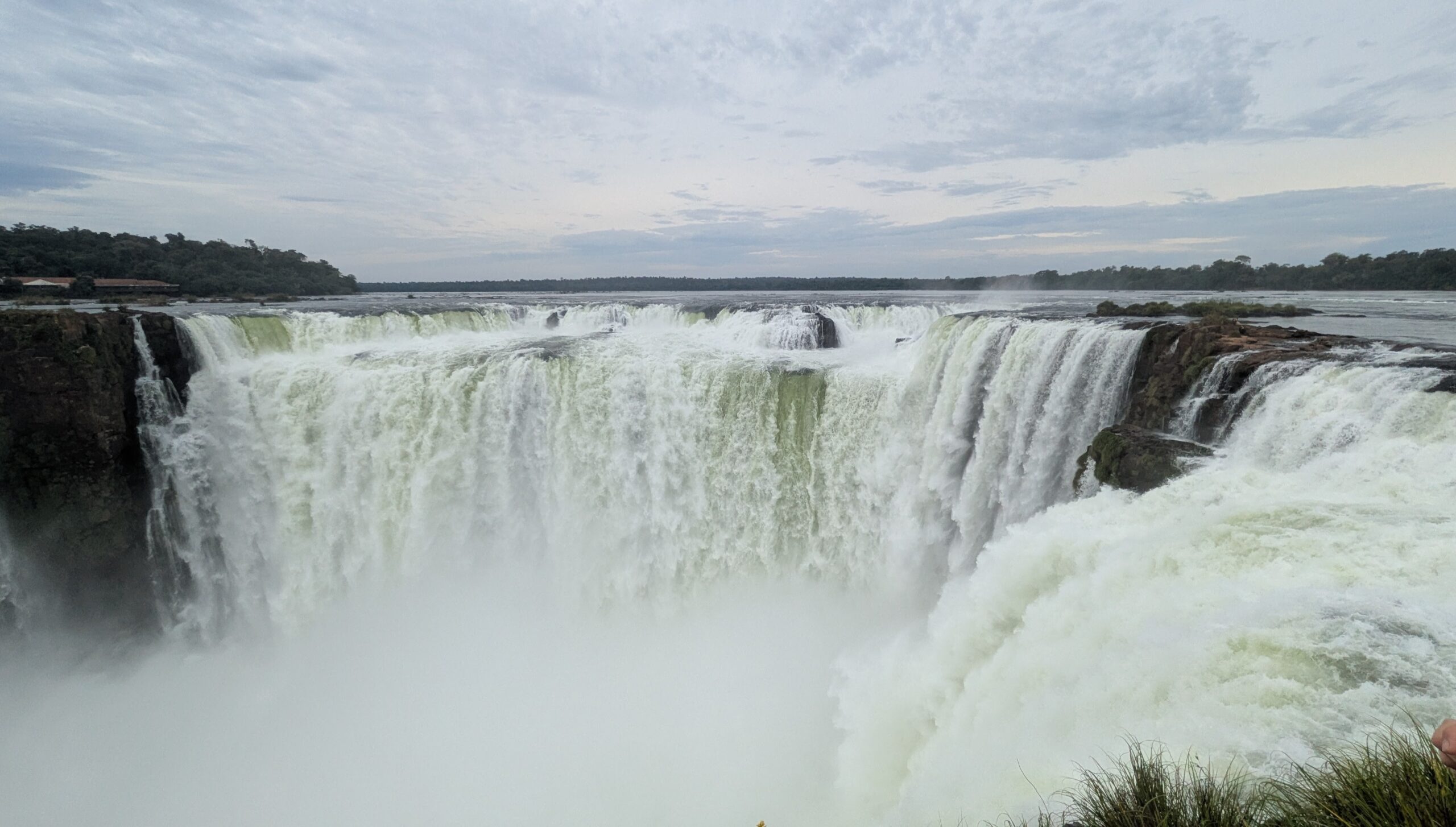
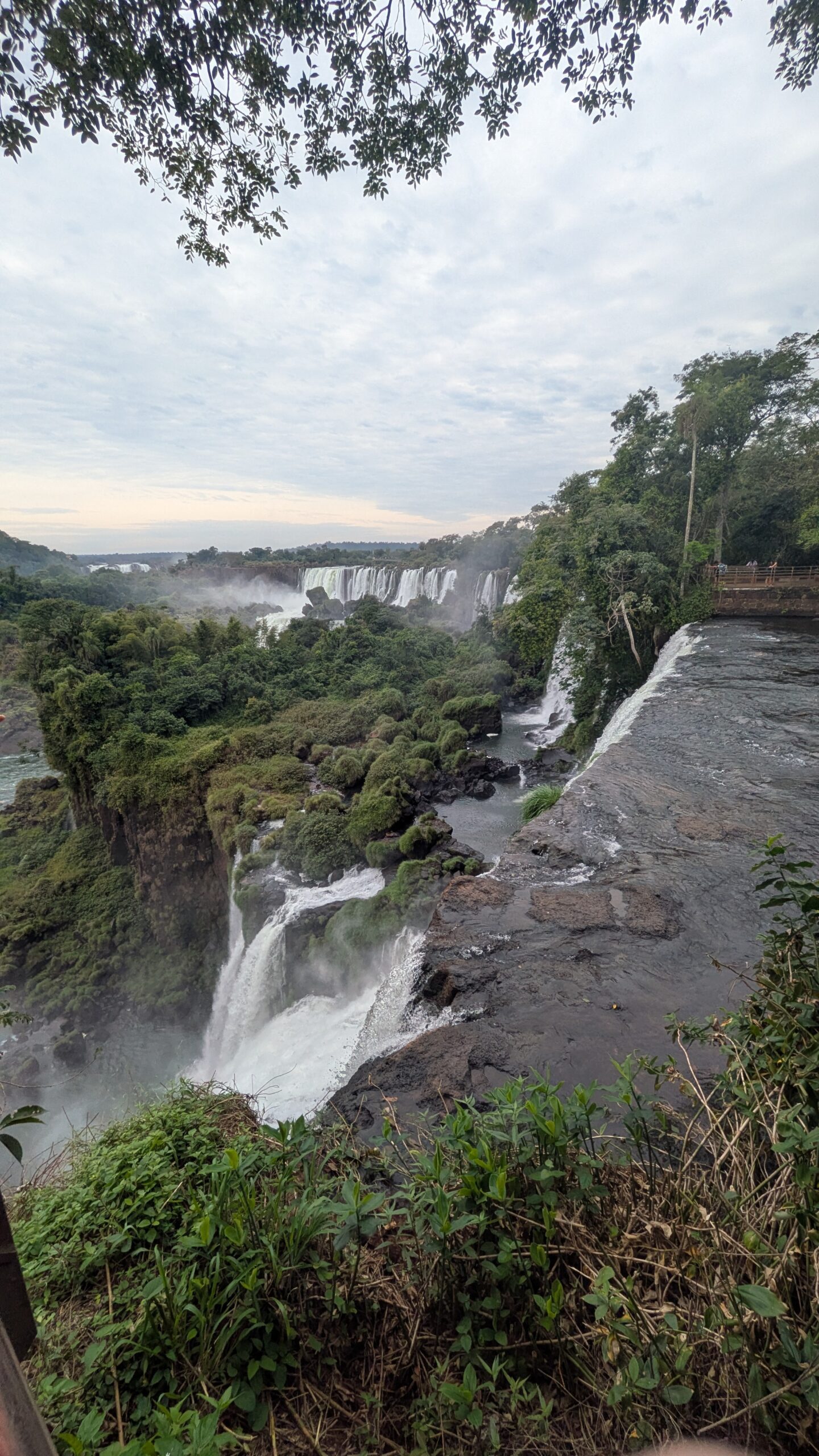
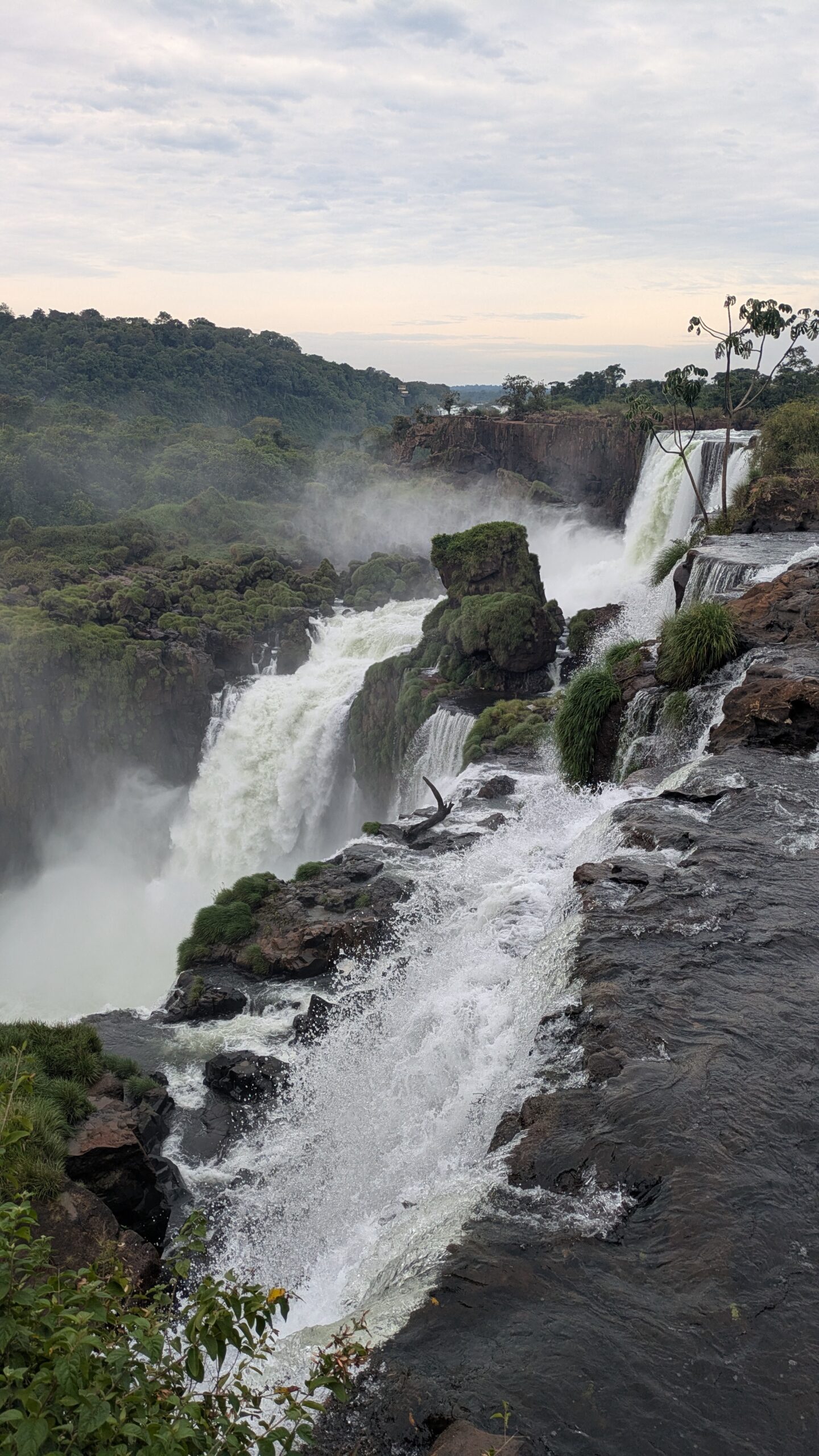
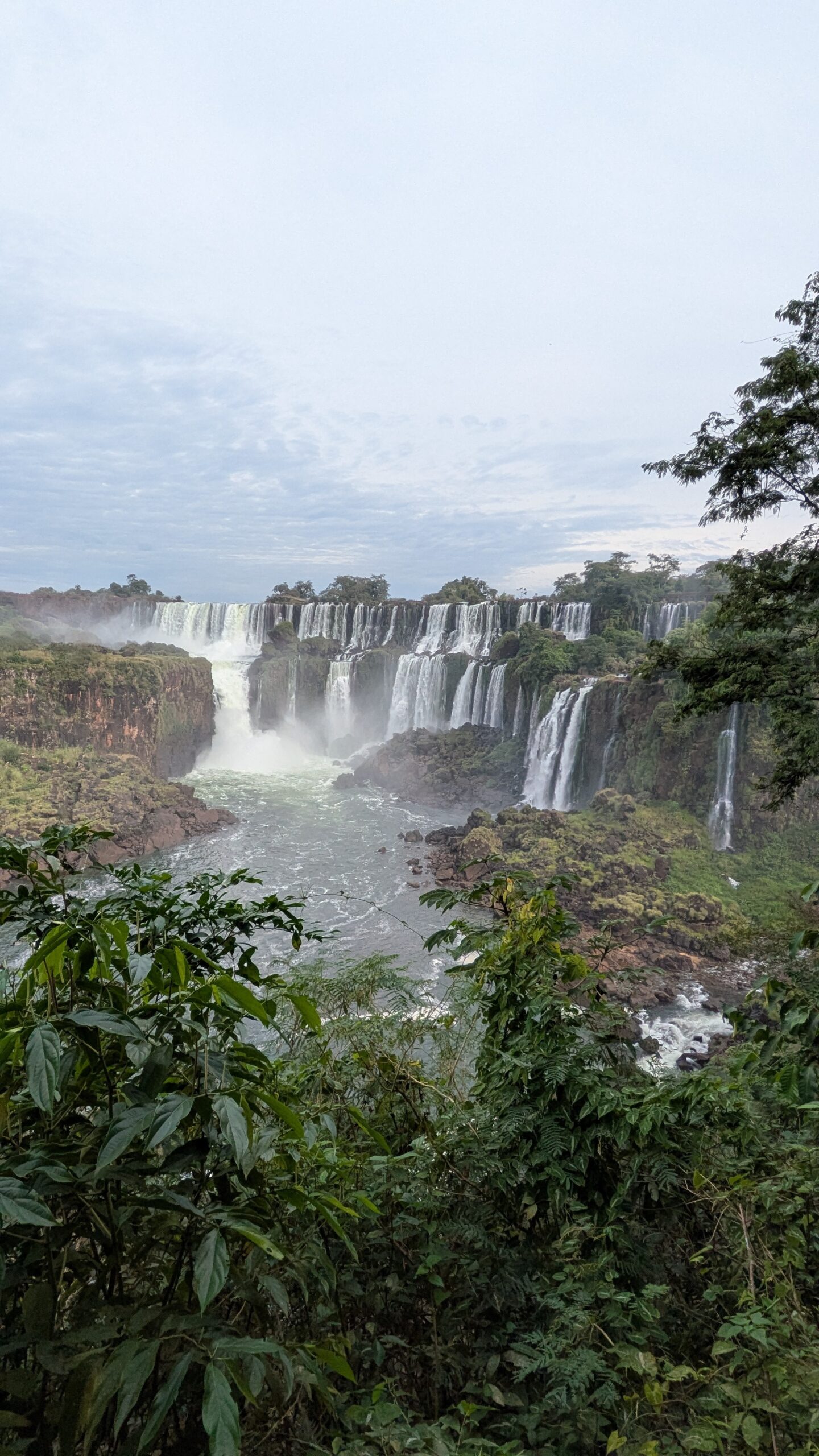
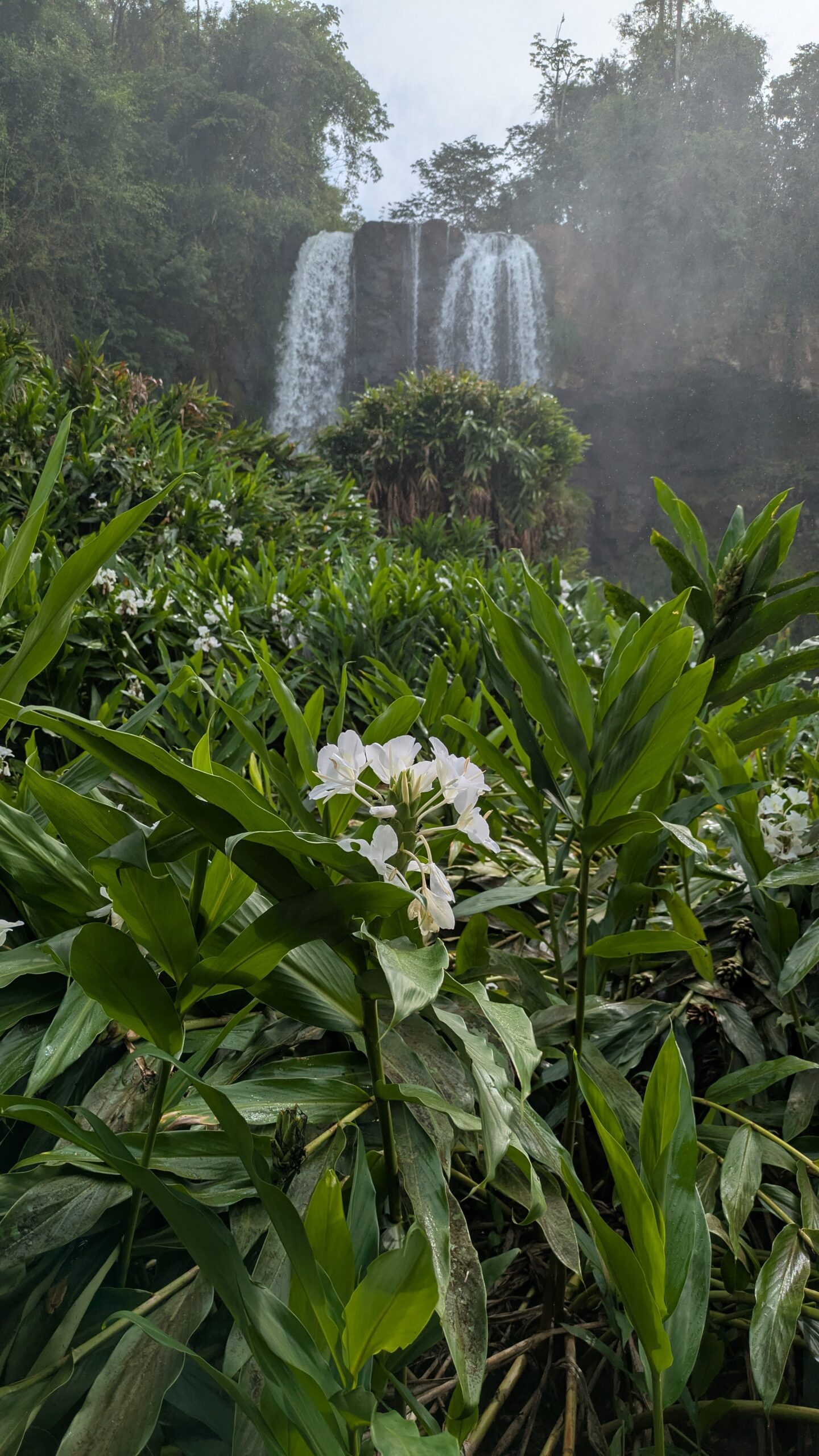
My visit to Iguazú National Park in Argentina brought me face to face with one of the world’s most spectacular waterfalls. The park, established in 1934, protects 677 square kilometers of subtropical rainforest and was designated a UNESCO World Heritage site in 1984 for its exceptional natural beauty and biodiversity. Walking along the network of trails and elevated walkways, I encountered the famous Devil’s Throat, where water plunges over 80 meters in a deafening crescendo of mist and spray. The name “Iguazú” comes from the indigenous Guaraní term meaning “big water,” a fitting description for this system of 275 individual waterfalls that stretches nearly three kilometers across the border between Argentina and Brazil.
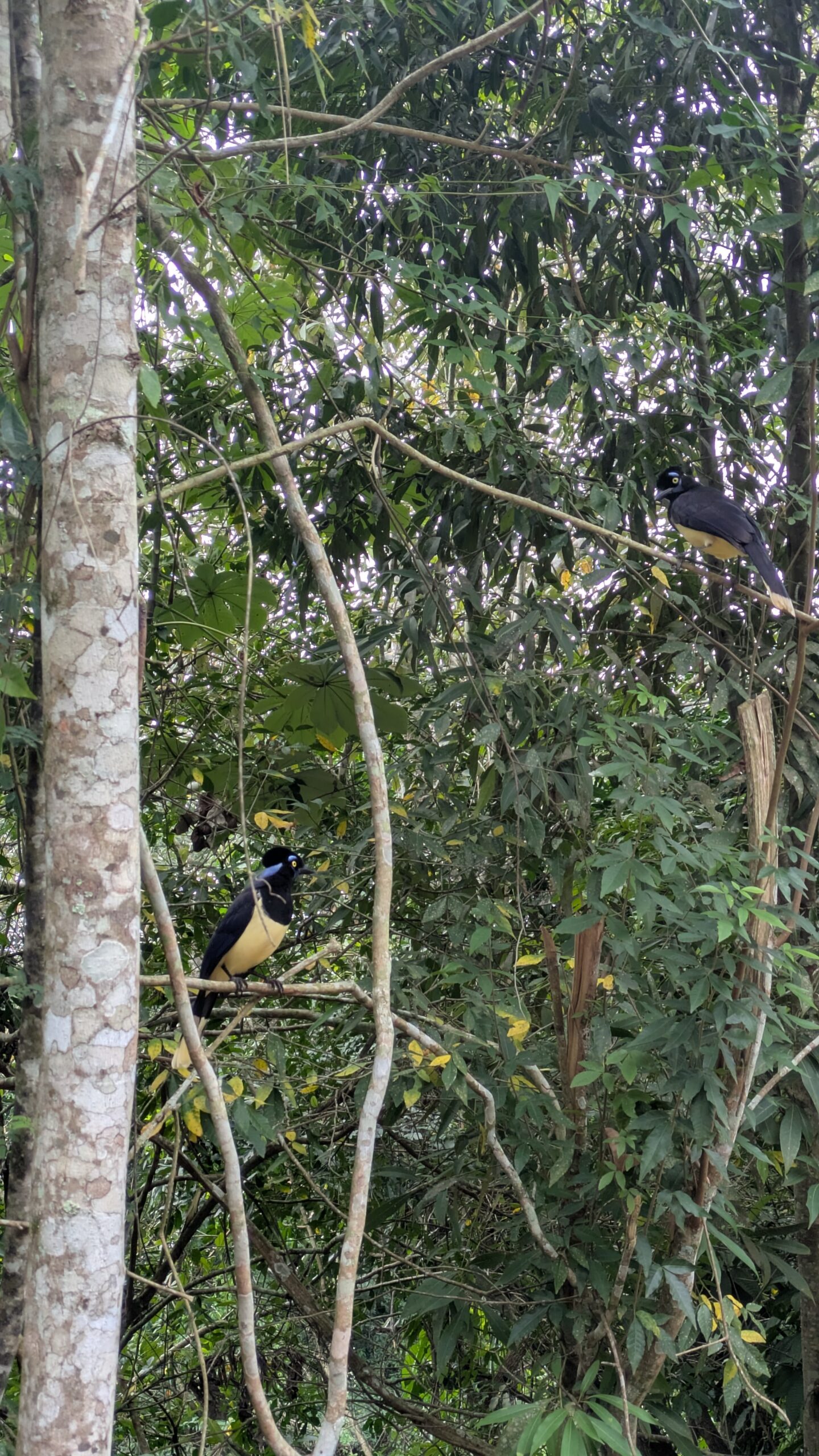
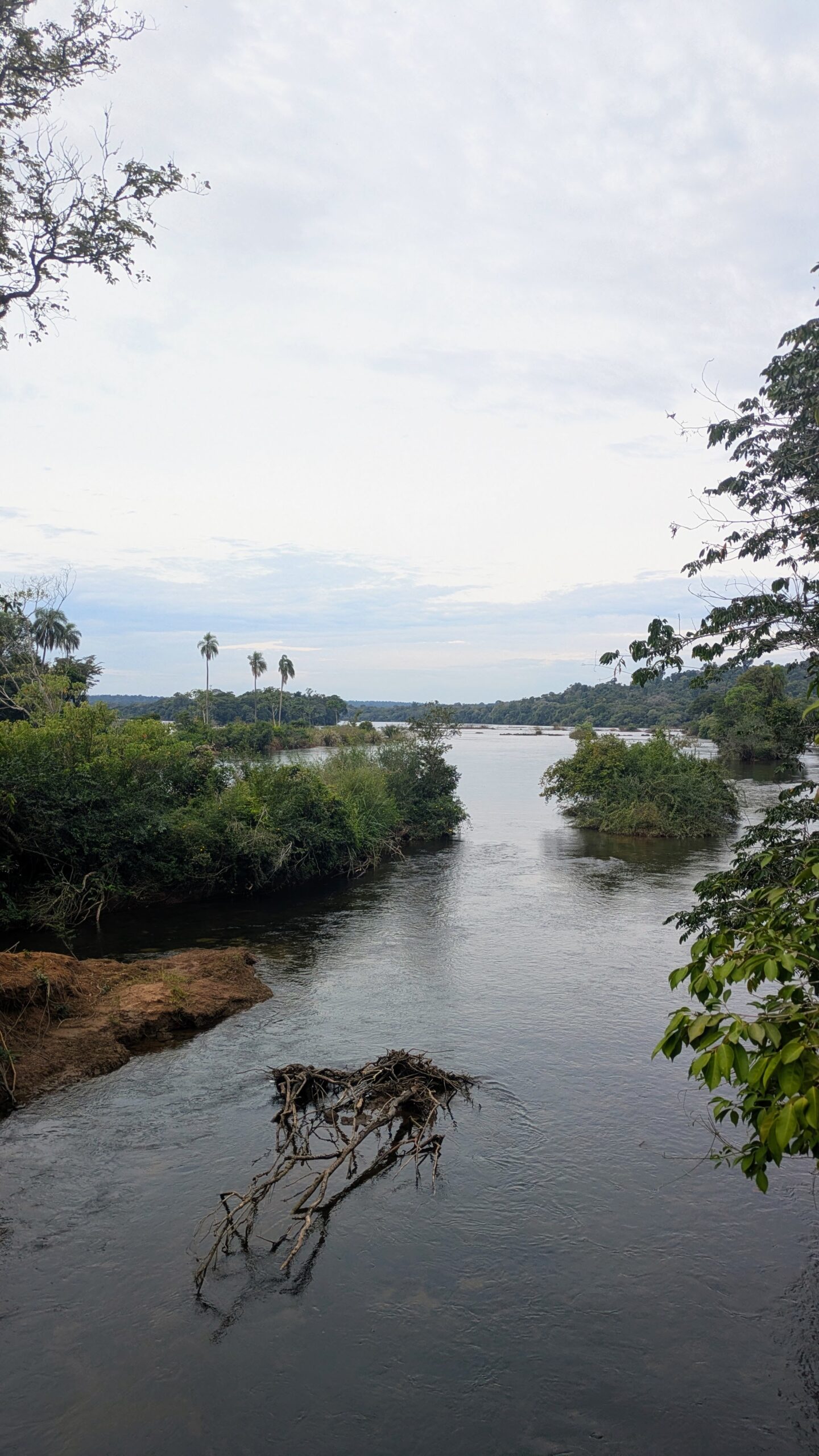
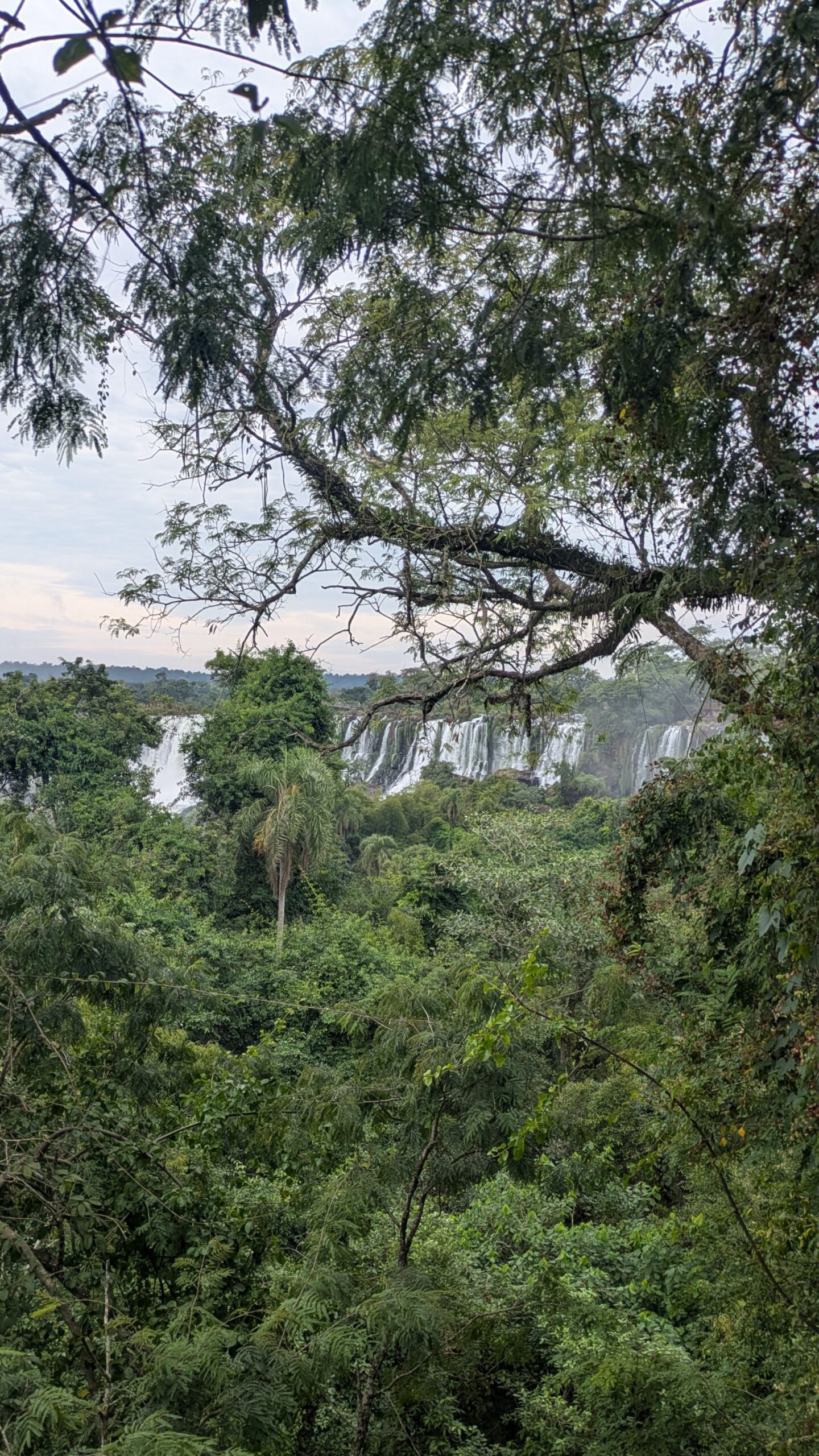
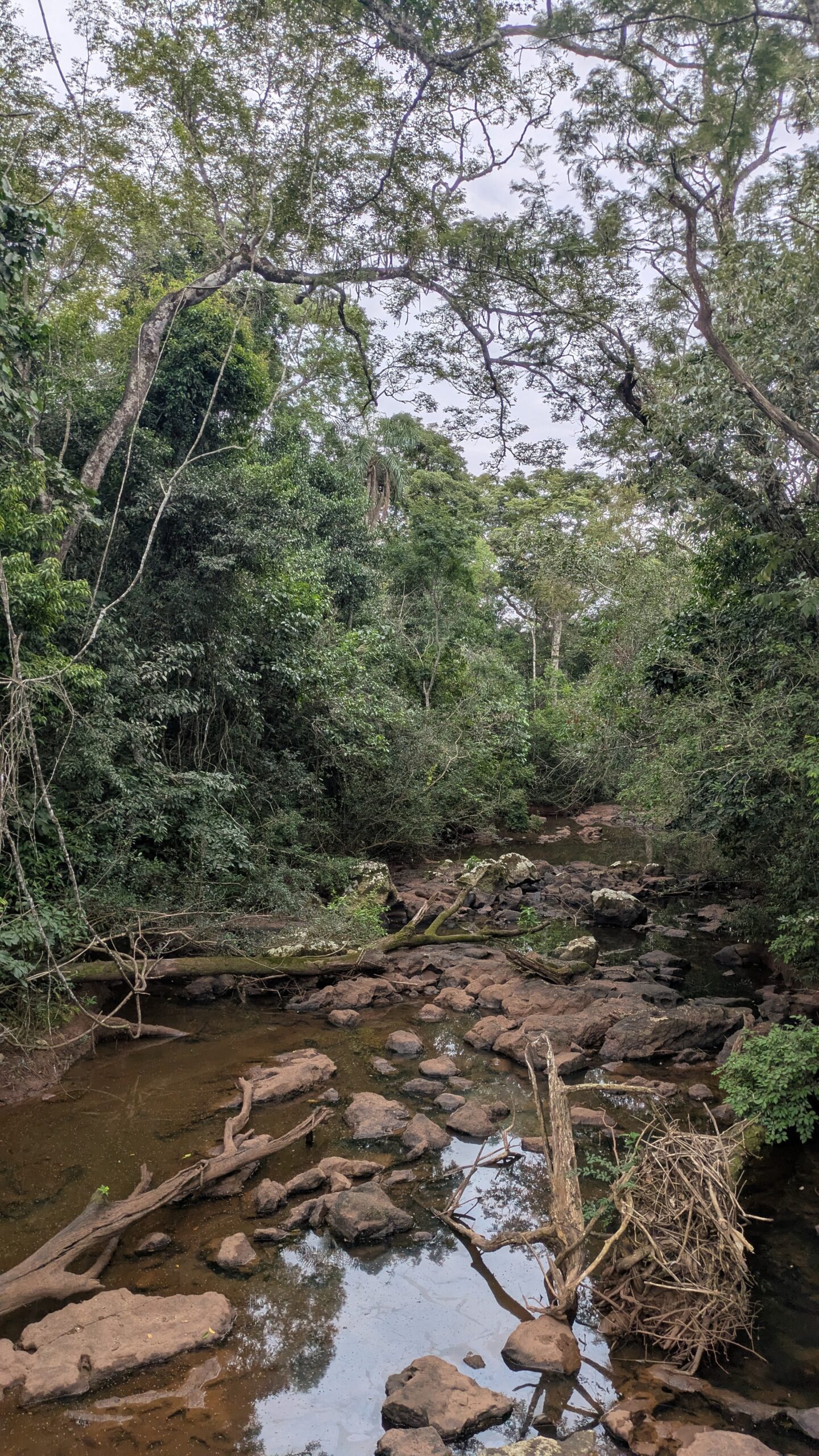
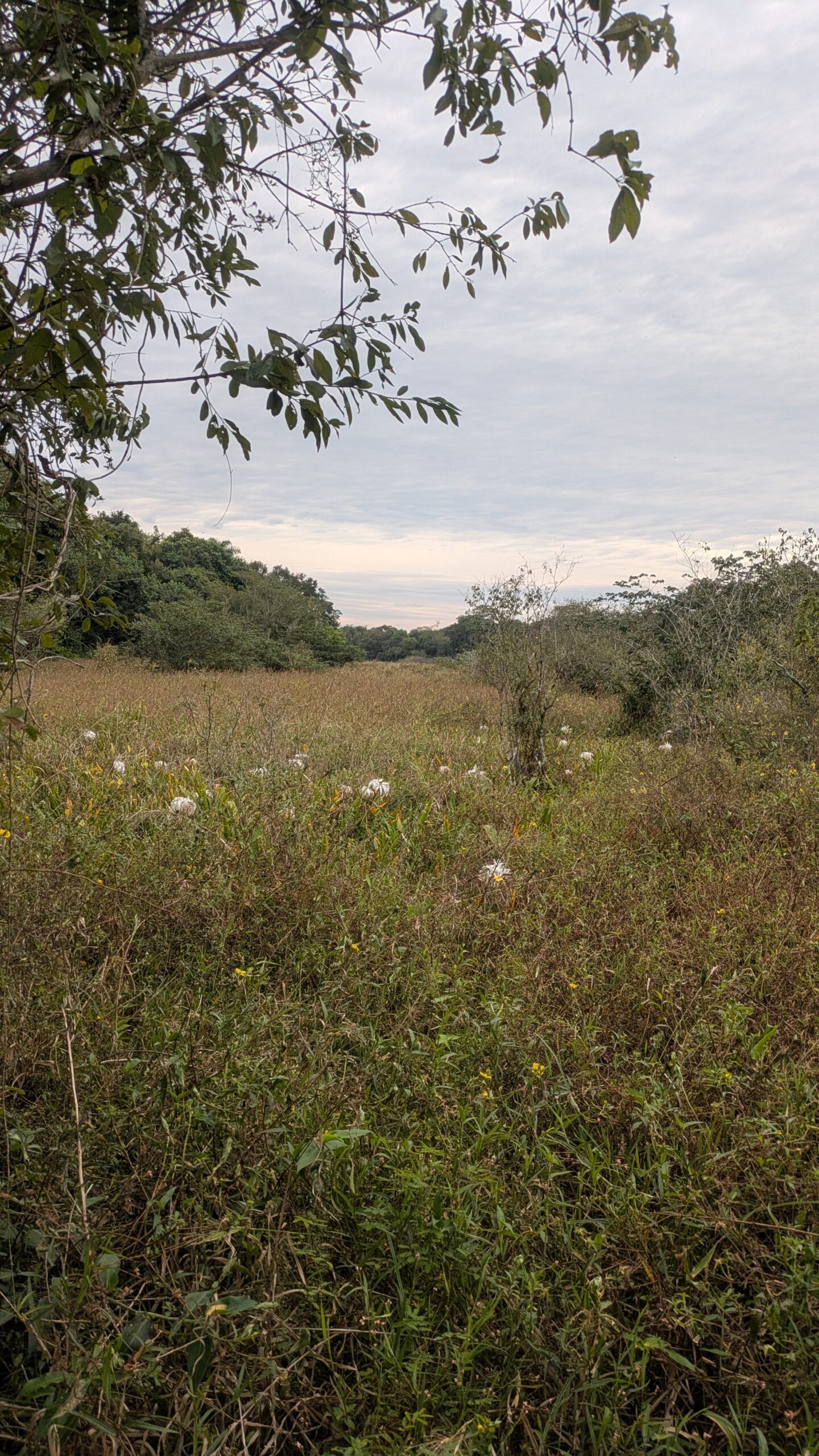
The Paranaense subtropical rainforest surrounding the falls proved equally captivating, home to over 2,000 species of vascular plants and wildlife including jaguars, giant anteaters, and countless bird species that thrive in this UNESCO-protected ecosystem. As I traversed the Upper and Lower Circuits via the park’s ecological train system, the constant mist from the cascades created an incredibly humid microclimate that supports the lush vegetation and provides a refreshing contrast to the intense power of the falling water. Standing on the viewing platforms, completely soaked by the spray and surrounded by the primal beauty of one of the world’s most impressive waterfalls, I understood why this natural wonder continues to inspire awe in visitors from around the globe.