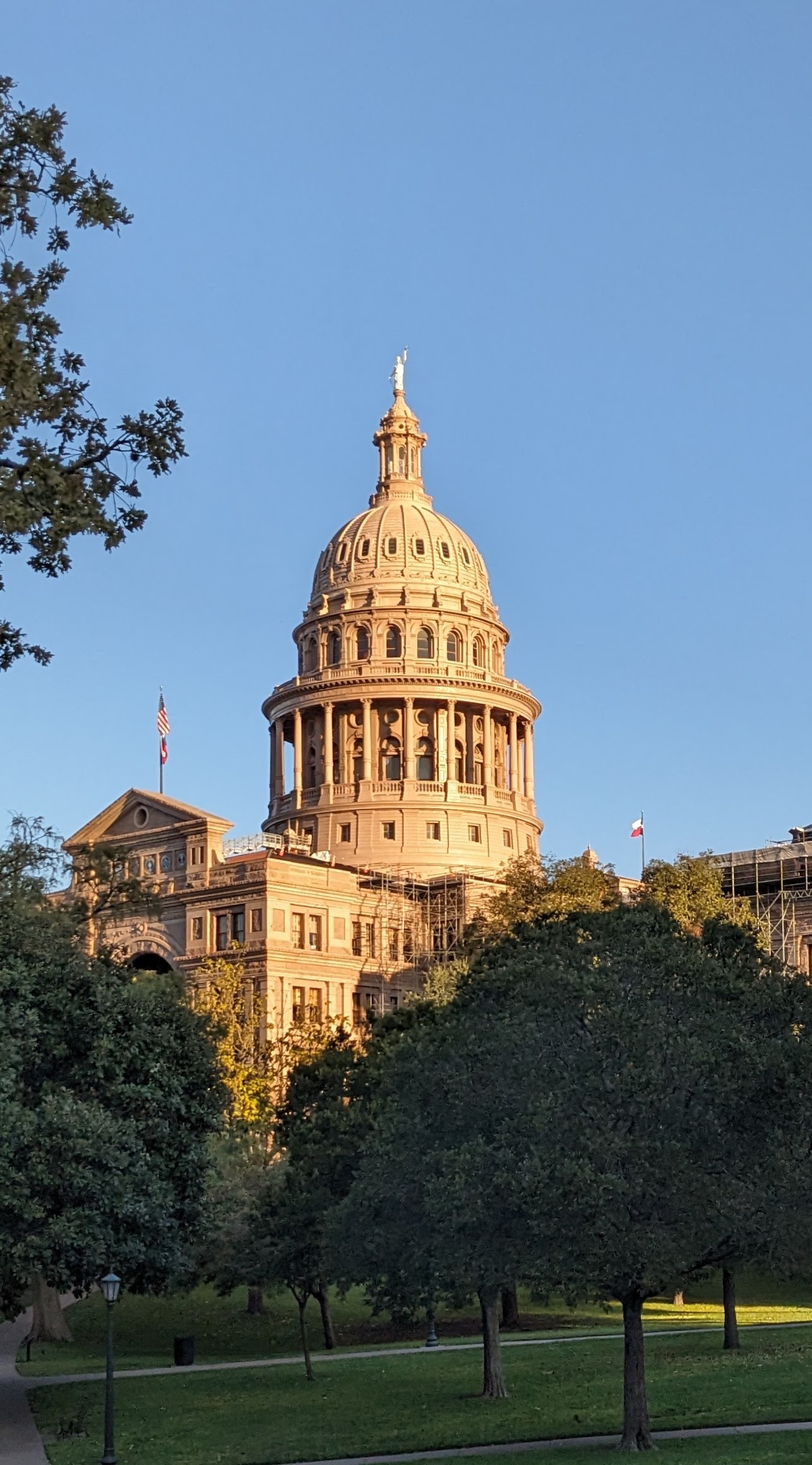
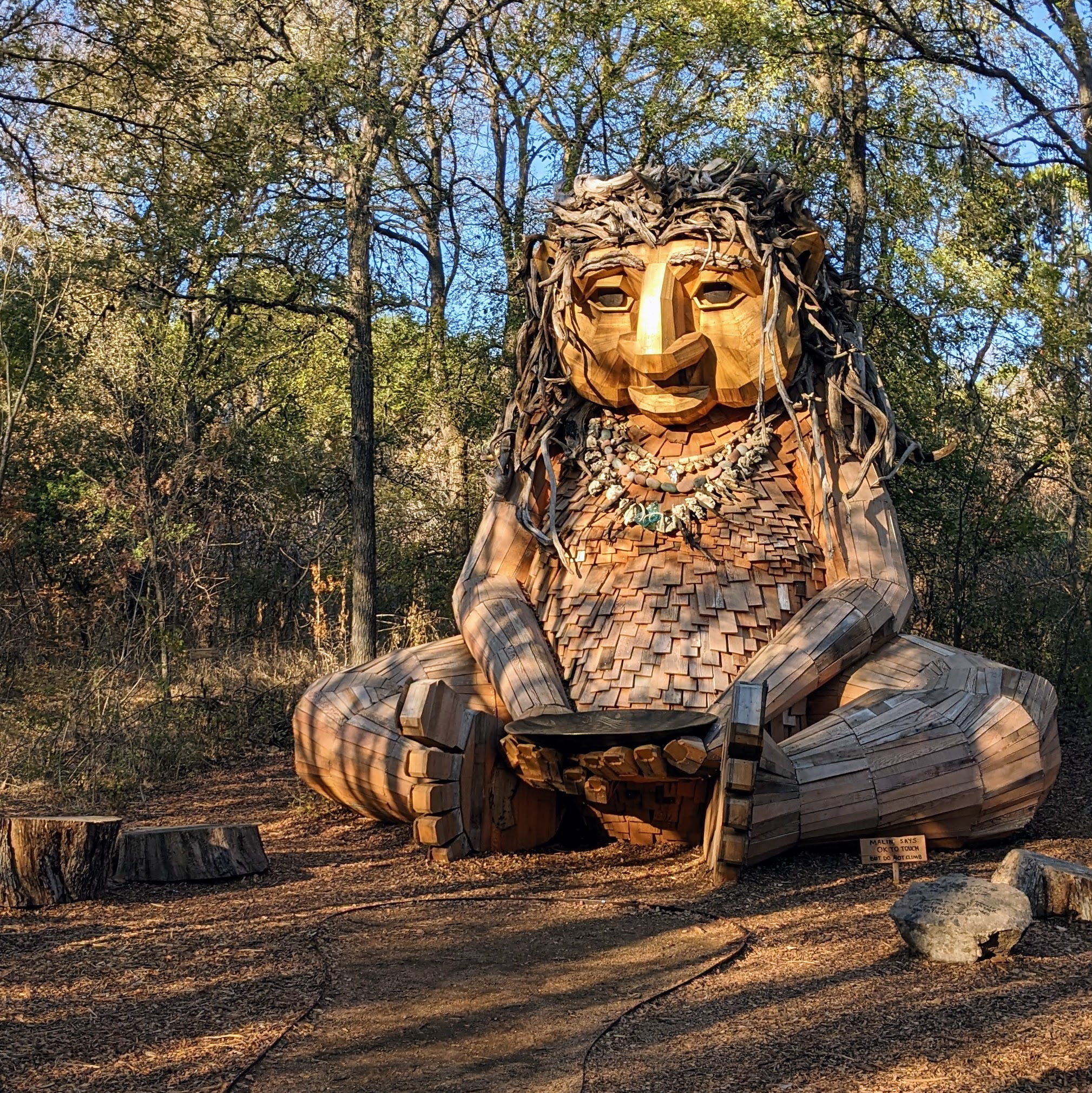
My exploration of Texas took me through cities and towns that each tell their own story of the Lone Star State’s evolution. Austin’s State Capitol, built from distinctive pink granite quarried in Marble Falls and completed in 1888, rises 308 feet making it taller than the U.S. Capitol. The rotunda’s terrazzo floors feature the seals of the six nations that have governed Texas, while the surrounding grounds span 22 acres dotted with monuments and century-old live oaks. Just blocks from the capitol, the city pulses with music venues and food trucks, where legislators and musicians share the same taco stands.
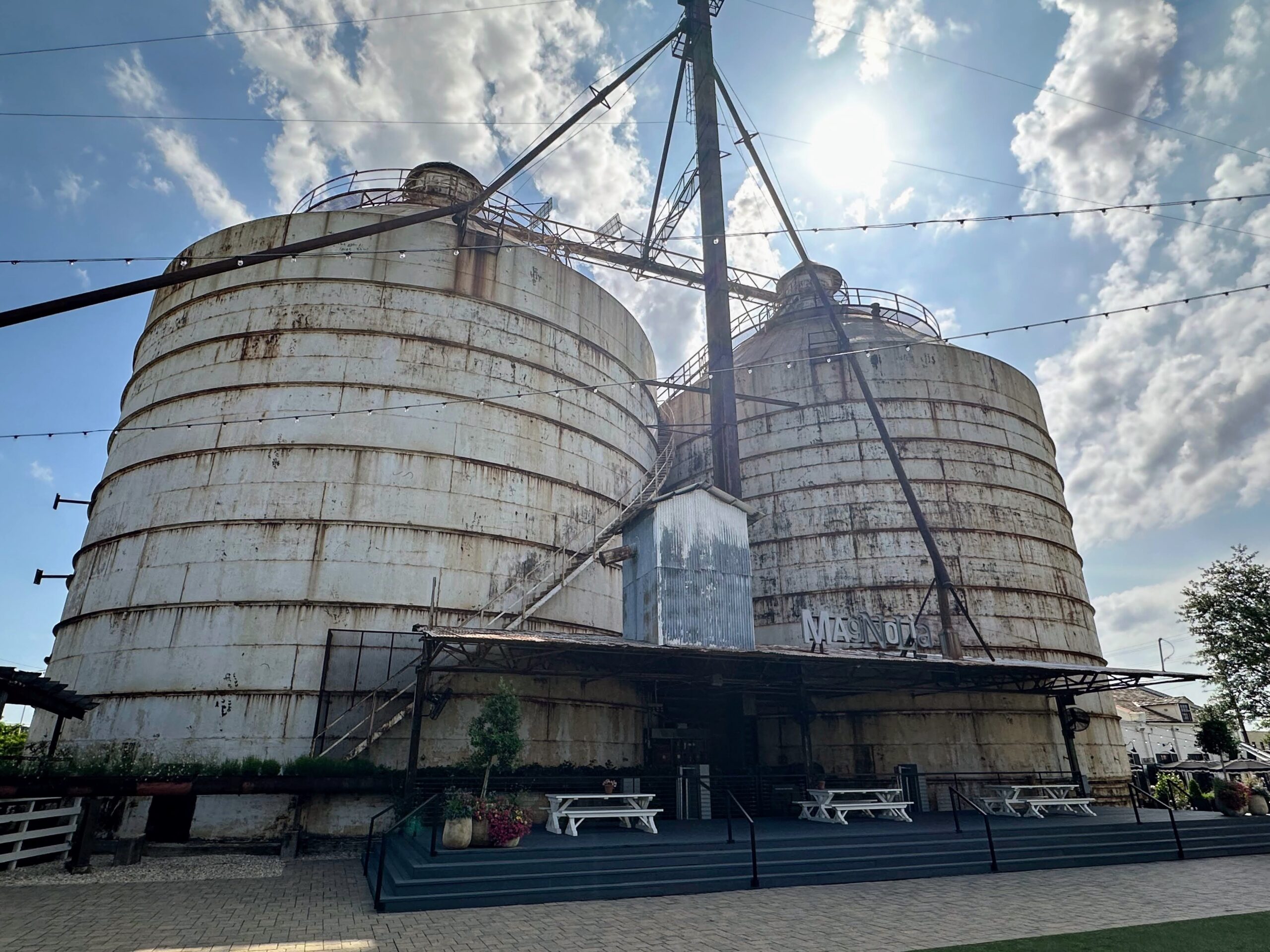
Waco has transformed itself into an unexpected tourist destination anchored by the Magnolia Market at the Silos, Chip and Joanna Gaines’ sprawling complex that draws over 30,000 visitors weekly to its shops, bakery, and food trucks arranged around a central lawn. The city also houses the Waco Mammoth National Monument, where in 1978 two teenagers discovered what would become one of the nation’s most significant paleontological sites – a nursery herd of Columbian mammoths that died together approximately 67,000 years ago, now preserved and displayed where they were found. The historic Suspension Bridge over the Brazos River, completed in 1870 and spanning 475 feet, was once the longest single-span suspension bridge west of the Mississippi. Downtown reveals layers of history with the Dr Pepper Museum celebrating the soda invented here in 1885.
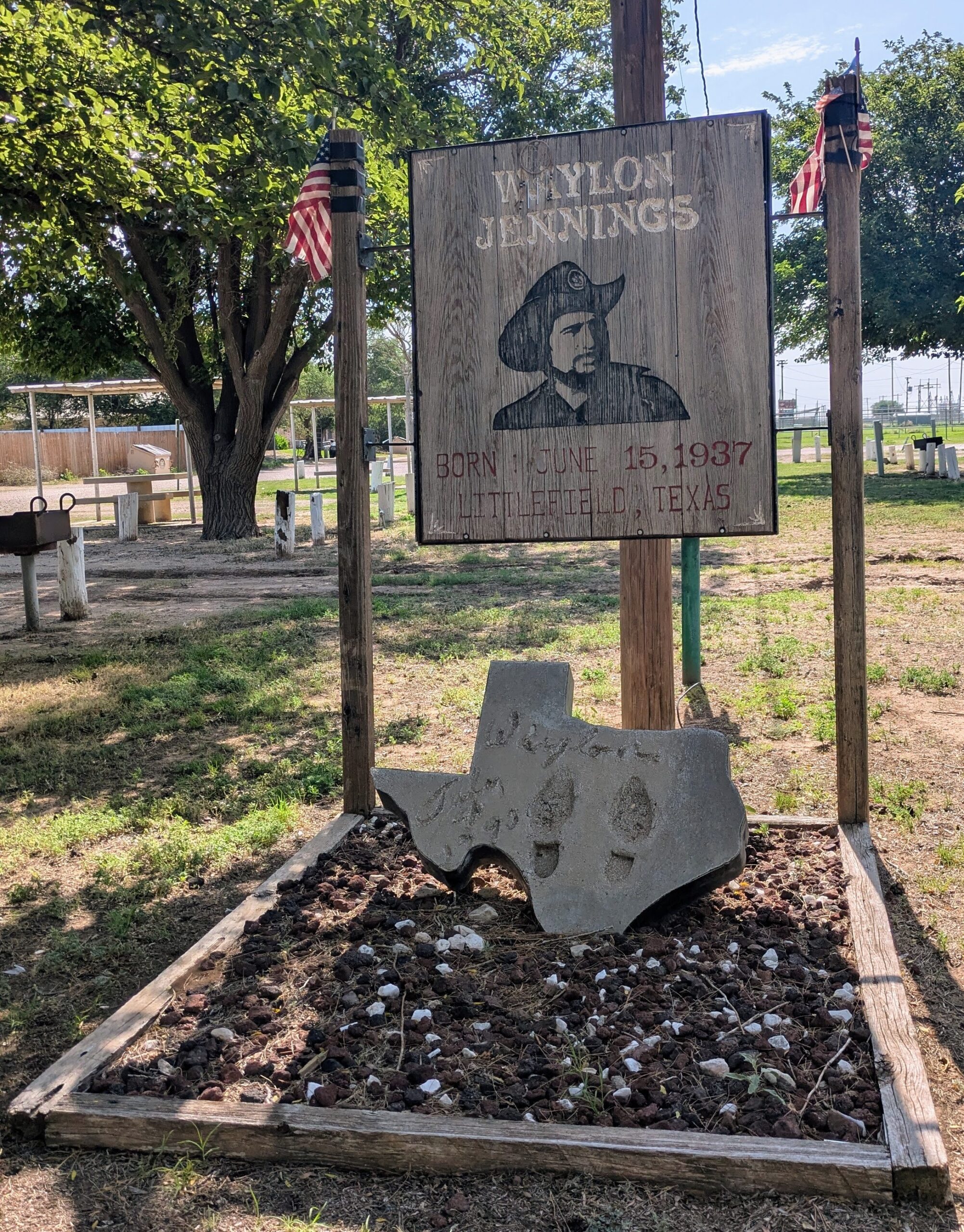
The Waylon Jennings RV Park sits as a small tribute to the outlaw country movement, a quiet spot where the ghost of that gravelly voice seems to drift across the campground at dusk. Texas reveals itself in these places – from pink granite monuments to prehistoric bones, from reality TV empires to rebellious music legends, each location adding another layer to understanding this vast state that was once its own nation.